
Villasimius is one of southern Sardinia’s best-known beach destinations, roughly an hour from Cagliari. If you’ve read our guide to the best beaches near Cagliari, this is the deeper look at Villasimius itself: whether to visit for a day, whether to stay, and what the town actually offers beyond its coastline.
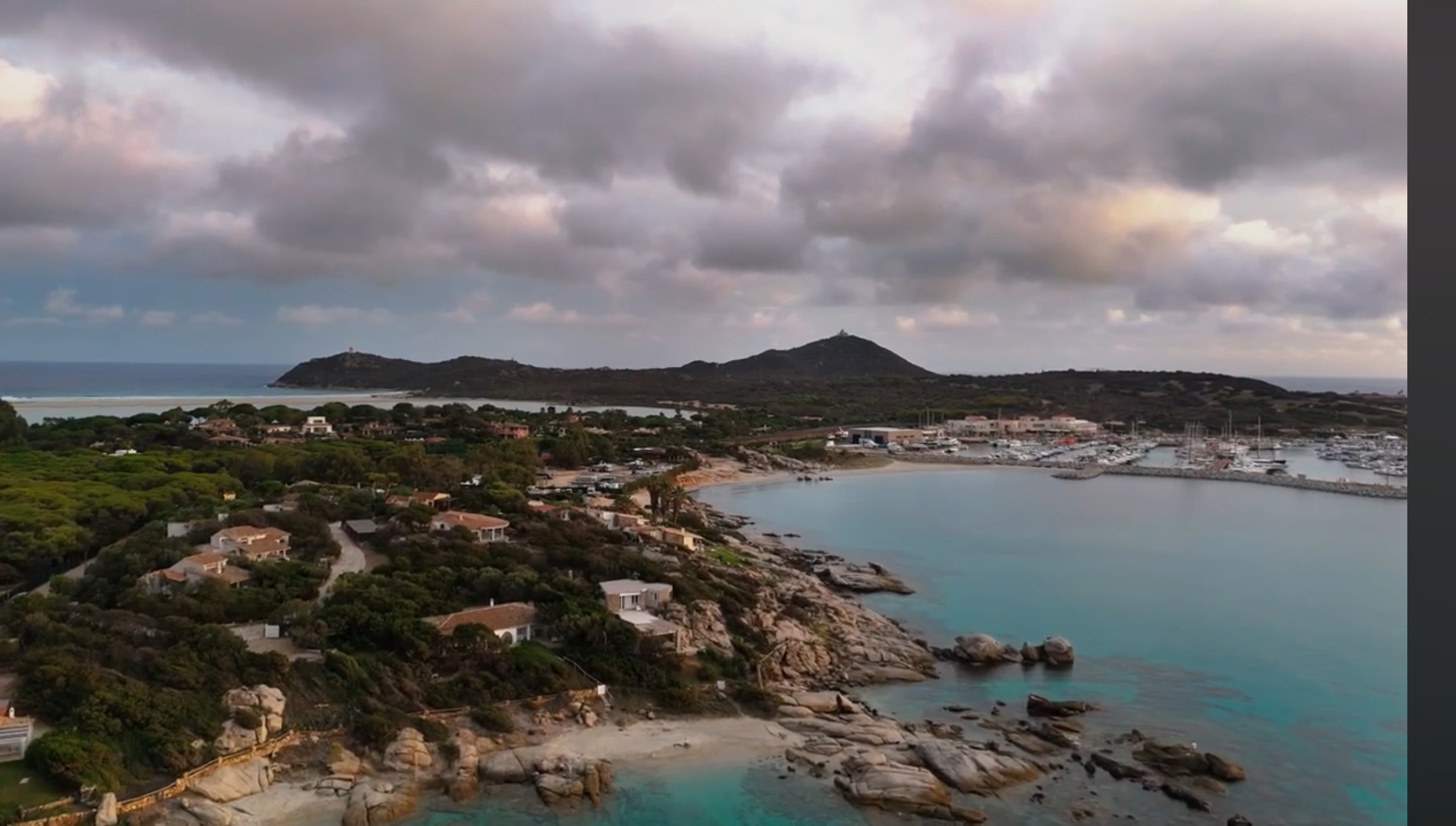
The Beaches
Villasimius’s reputation rests heavily on its beaches, and several distinct ones sit within a short drive of each other, each with its own character.
Spiaggia del Riso
“Rice Beach” takes its name from quartz-granite sand grains historically worn by the sea into shapes resembling grains of rice. According to the local tourism office, relatively little of that original rice-grain texture remains today, so don’t necessarily expect to find it underfoot the way older descriptions suggest. The beach itself is still worth visiting for its pale sand and clear, shallow water — just go in without assuming the rice-grain effect will be obvious.
Simius
The most central of the group, Simius sits closest to town, which makes it the easiest to reach without a car and the beach with the most restaurants and facilities within walking distance. It’s the practical choice if you want a beach day without much logistics.
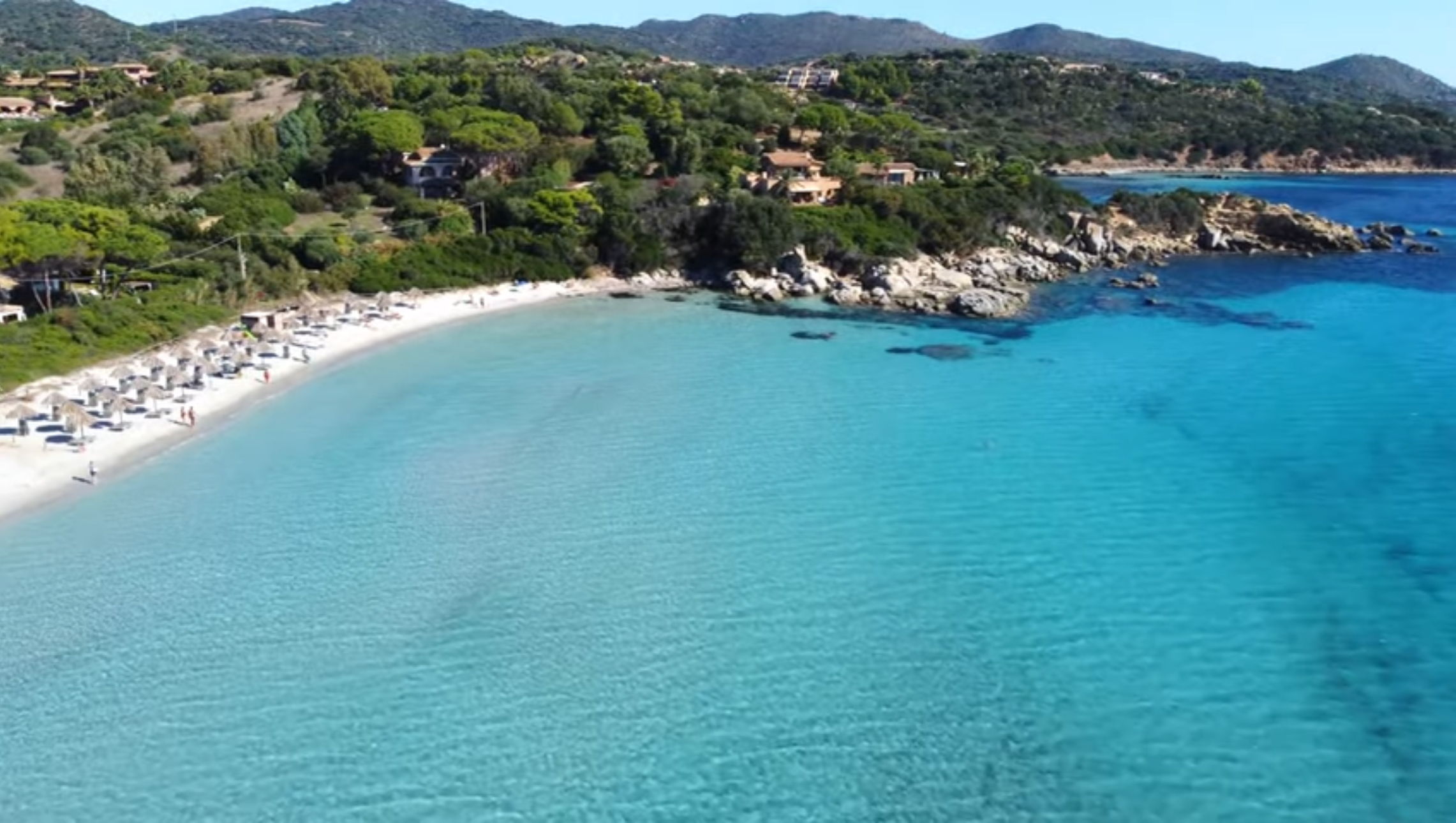
Porto Giunco
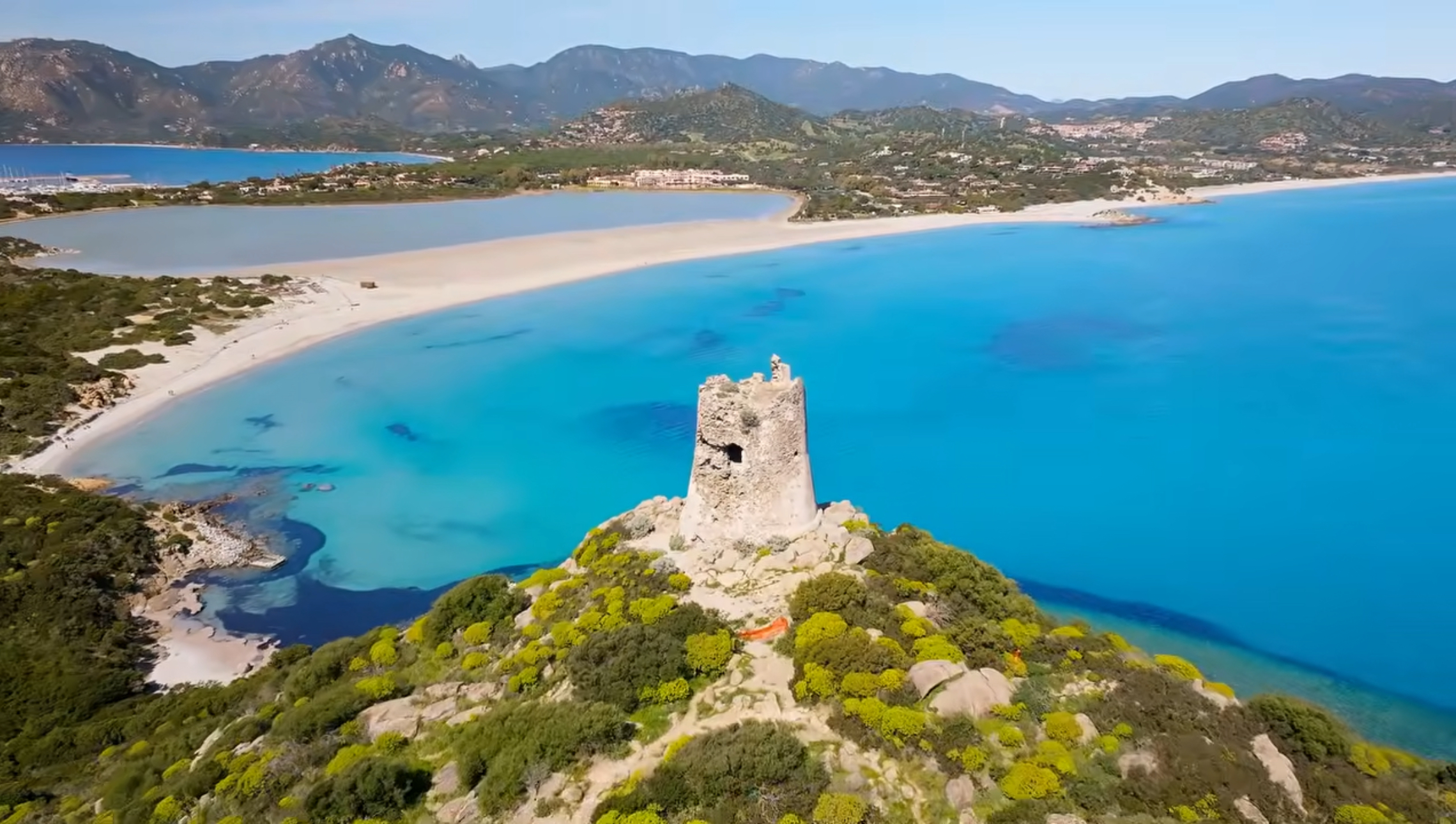
A little further out, Porto Giunco backs onto a lagoon that draws flamingos at points in the year, with a coastal watchtower, the Torre di Porto Giunco, overlooking the bay — a genuinely striking combination of beach, birdlife, and history in one spot. The Torre di Porto Giunco and the Capo Carbonara lighthouse are separate landmarks in different locations, both worth knowing about individually rather than assuming they’re the same structure.
Punta Molentis
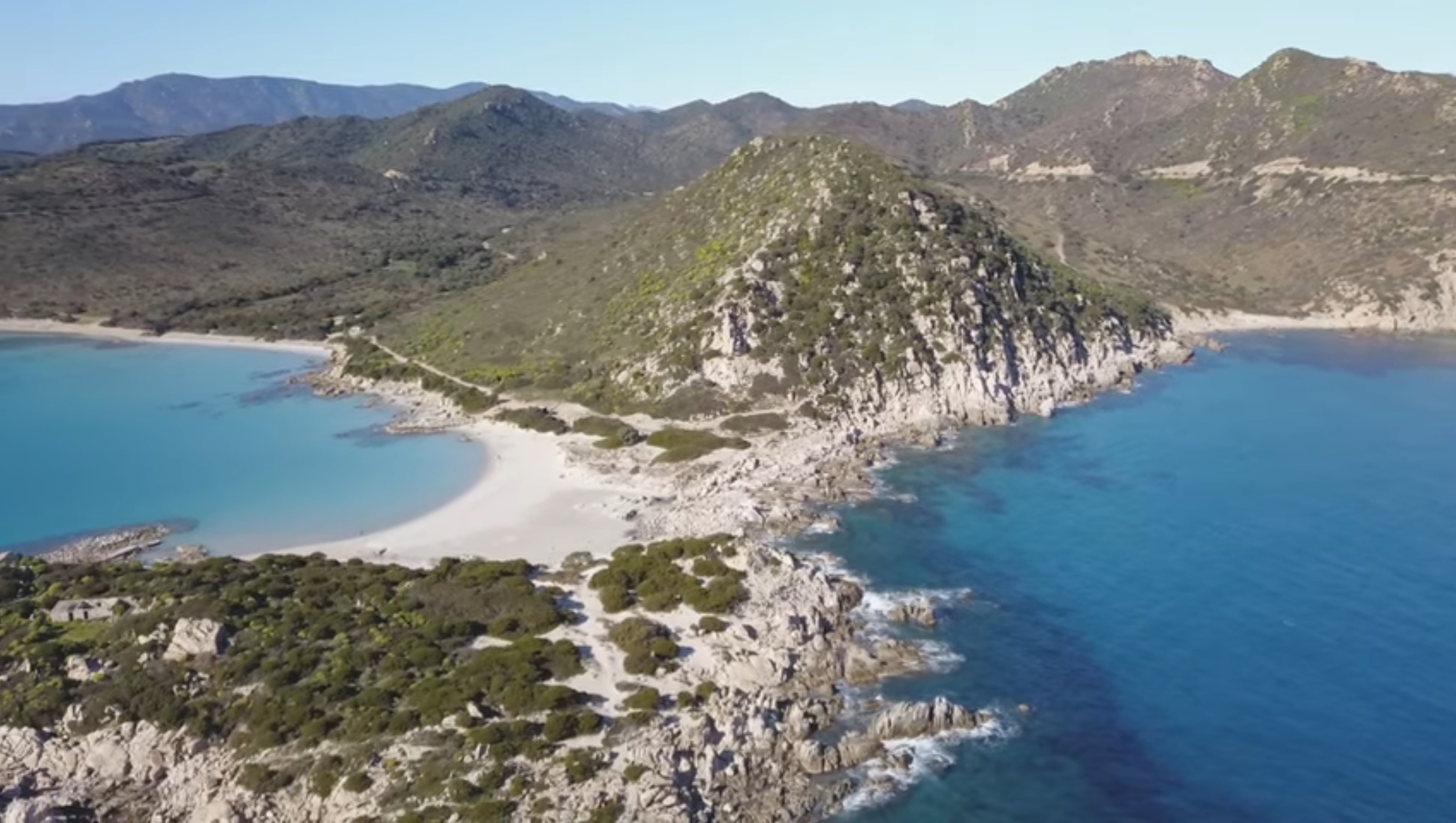
Punta Molentis rounds out the area’s standout beaches, with a distinctive landscape of pink-tinged granite rocks framing a small bay of clear water — a genuinely different scene from the flatter sand of Simius or Spiaggia del Riso. During peak season, access has been subject to controlled-entry rules designed to limit overcrowding and protect the beach, which can include capacity limits at busy times. These rules have changed in past years, so check current access and any reservation requirements directly with local authorities or a current visitor source before planning your day around it.
The Town Itself
Villasimius town center has a genuinely seasonal feel — quiet for much of the year, then considerably busier and more animated through the summer months. In peak season, the main streets fill with restaurants, gelaterias, and small shops staying open into the evening, and the town takes on a lively, holiday atmosphere after the beaches empty out for the day. Outside summer, expect a much quieter, more local pace, with fewer businesses open and a slower rhythm overall — worth knowing if you’re picturing a lively evening scene and visiting in the off-season.
Beyond the Beach: Capo Carbonara
Villasimius sits at the edge of the Capo Carbonara Marine Protected Area, and it’s worth treating as more than a backdrop to the beaches. The marine environment makes the Villasimius area especially appealing for snorkeling and diving. Porto Giunco and the water around it are a reasonable starting point even without diving gear.
For those who dive or want a boat excursion into the protected area, local operators run trips with availability that varies by season. In summer especially, booking ahead can be sensible rather than assuming a spot will be available on short notice — check current schedules and options directly with authorized operators before you travel.
Where to Stay
Villasimius has grown into a genuine resort town, and its accommodation reflects that range. Larger resort hotels sit along or near the coast, generally aimed at travelers who want beach access and on-site facilities without much need to venture out. Smaller guesthouses and B&Bs are concentrated more in the town center itself, putting you closer to restaurants and daily life rather than directly on the sand. Which fits better depends mostly on whether you’d rather walk to the beach or walk to dinner — both are realistic in a town this size, just not usually both at once from the same property.
Getting There from Cagliari
By car, the journey from Cagliari normally takes about an hour, depending on traffic and your exact starting point. The coastal SP17 is scenic but winding in places, so budget a little extra time rather than treating it as a fast, direct route.
Public bus service (ARST Line 101) connects Cagliari and Villasimius, but frequency and schedules — especially outside peak summer months — vary enough that it’s worth checking the current timetable directly before relying on it, rather than assuming service matches summer frequency year-round. If you’re planning to visit multiple beaches around Villasimius in one day rather than just the town itself, a car makes that meaningfully easier.
Who Villasimius Is Best For
Couples will find the mix of good beaches and a walkable town center suits a relaxed few days without needing to plan much. Families may find Simius Beach’s proximity to town and facilities convenient, though water conditions vary with wind and weather rather than being consistently calm, so it’s worth checking conditions on the day rather than assuming a sheltered bay guarantees flat water. Beach-focused travelers genuinely get more here than at a single-beach stop — several distinct beaches within easy reach of each other is a real advantage over destinations with only one option. Visitors without a car can manage a day trip or a stay centered on Simius Beach and the town itself, but will find Porto Giunco, Spiaggia del Riso, and Punta Molentis more effort to reach without one, or dependent on current bus, shuttle, or taxi availability.
Day Trip or Overnight Stay?
Day trip works well if: you’re based in Cagliari, have a car, and want to see one or two of the beaches without changing accommodation. A day is enough to properly enjoy Simius or Spiaggia del Riso and have lunch in town.
Staying overnight makes more sense if: you want to see the full range of beaches — including Porto Giunco and Punta Molentis — without rushing, you’re interested in snorkeling or a boat excursion (which tend to fill a half-day on their own), or you’d simply rather unwind in a smaller town than stay in Cagliari for your whole trip. Two nights is a reasonable amount of time to cover the area properly without feeling stretched.
Practical Tips
- Paid parking lots serve the main beaches in peak season; arrive early in July and August for the best spots, especially at Spiaggia del Riso, Porto Giunco, and Punta Molentis
- July and August bring real crowds and full parking areas; late spring or September offers a noticeably quieter version of the same beaches, though sea conditions and weather vary by season
- Keep more than one payment method available and confirm parking procedures when you arrive
- If Punta Molentis is on your list, check current access and reservation rules before you go — controlled entry has applied in peak season in past years and requirements can change
- If snorkeling or a boat trip is a priority in summer, consider booking with an authorized operator in advance rather than assuming availability on arrival
For more of the coastline around Cagliari, see our guide to the best beaches near Cagliari, or head back to the Cagliari & South destination page for everything else in the region. A guide to Chia, further along the southern coast, and a full southern Sardinia itinerary are both coming soon.