
Most people fly into Cagliari and leave within a day, racing north toward Costa Smeralda. That’s a mistake. Sardinia’s capital is a real, lived-in city — hilltop fortress walls, a beach a bus ride from downtown, markets that still supply actual households rather than tourists. Here’s how to spend real time in Cagliari before heading further into southern Sardegna.

Start in Castello, the Old Heart of the City
Castello is Cagliari’s historic hilltop quarter, wrapped in medieval walls the Pisans built centuries ago. Wandering its narrow streets is the best possible introduction to the city — limestone buildings, hidden courtyards, and views that open up unexpectedly between buildings.
Don’t rush this part. Castello rewards getting lost more than following a checklist.
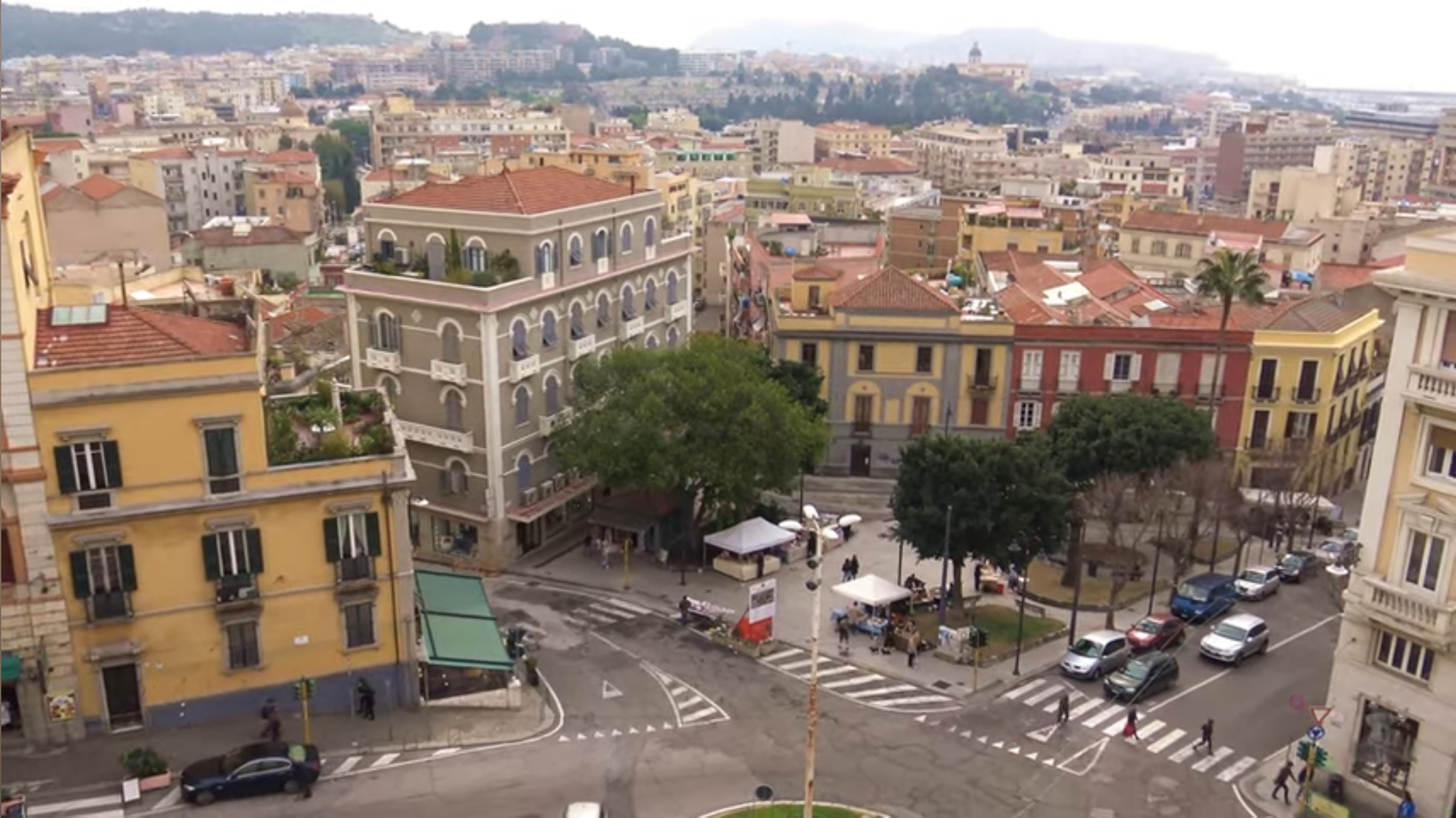
Bastione di Saint Remy
The single best free view in the city. This grand limestone terrace and staircase connects the lower city to Castello, and from the top you get an uninterrupted look over Cagliari’s rooftops out to the sea. Go around sunset if you can — the limestone catches the light in a way that photos never quite capture.
Cagliari Cathedral and the Quiet Corners
Just past the main square in Castello sits the city’s cathedral, worth a look for its mix of architectural styles layered over centuries. But honestly, some of the best moments in this district happen in the smaller piazzas nobody photographs — take a wrong turn on purpose.
Poetto Beach: The City’s Actual Beach
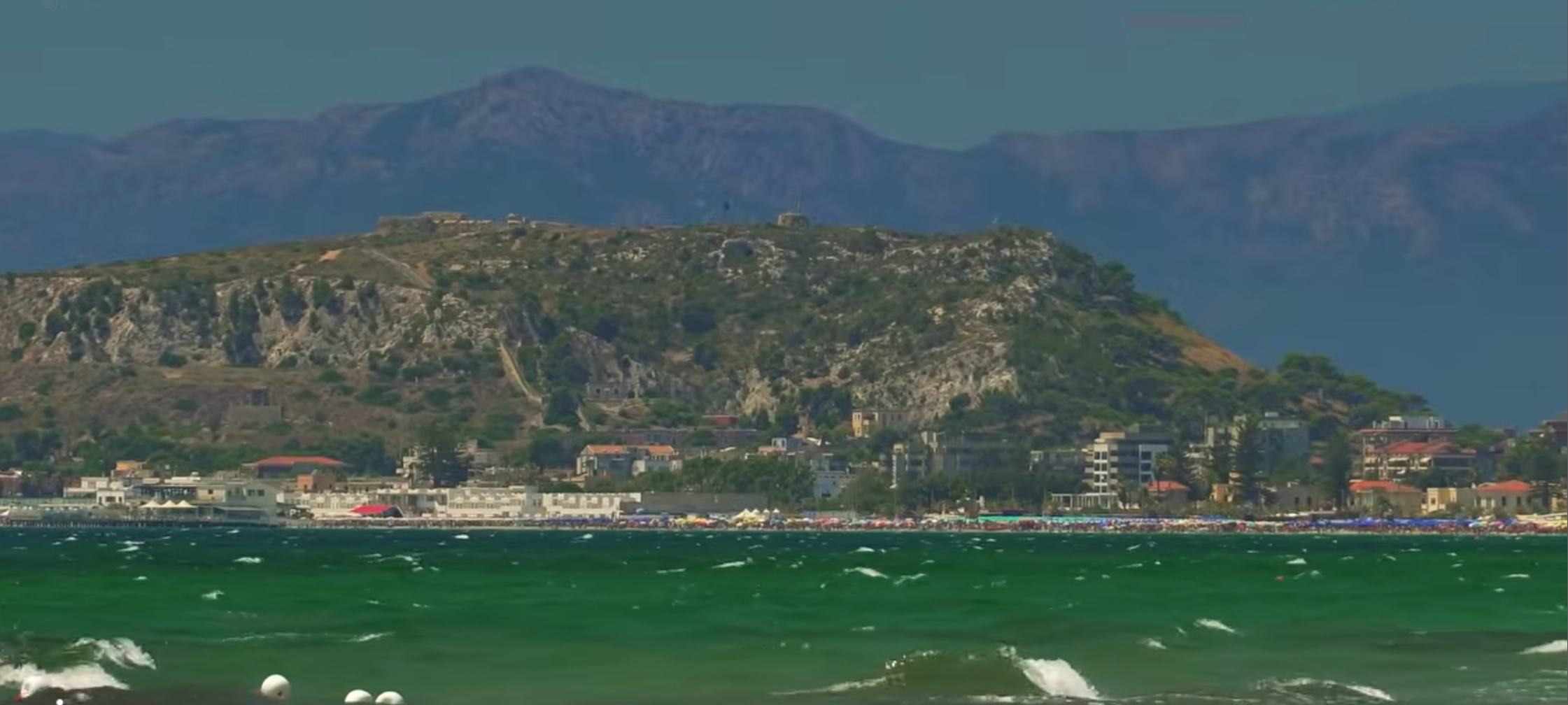
This might be the most underrated thing about Cagliari: it has a genuine, long, sandy beach — Poetto — a short bus ride or an easy bike ride from the historic center. Locals treat it like an extension of daily life, not a tourist attraction, which is exactly what makes it worth visiting. Grab a coffee, rent a beach chair for the afternoon, or just walk the length of it toward the Sella del Diavolo headland at the far end.
Eat Where Cagliaritani Actually Eat
Sardinian food deserves its own dedicated guide, but Cagliari is a genuinely good place to start eating your way through the island. Two places worth building a morning around:
Mercato di San Benedetto — one of the largest covered markets in Europe, and still primarily a market for locals, not visitors. Fresh fish downstairs, produce and cheese upstairs. Even if you’re not cooking, walking through gives you a real sense of what Sardinians actually eat.
Marina district — the streets around the old port are dense with small trattorias. Look for culurgiones (Sardinia’s stuffed pasta, usually potato and mint, sealed in a distinctive braided shape) and fregola (a toasted pasta similar to couscous, often served with clams). Skip anywhere with laminated multilingual menus posted outside — a good sign you’re not eating where locals eat.
Viewpoints Worth the Climb
Beyond Bastione di Saint Remy, Cagliari has a few other elevated spots worth seeking out:
- Terrazza Umberto I, another panoramic terrace inside Castello, less crowded than Saint Remy
- Torre dell’Elefante and Torre di San Pancrazio — two surviving medieval towers you can climb for city views, remnants of the same Pisan-era fortifications
A Little History and Culture
Cagliari’s layered past — Phoenician, Roman, Pisan, Spanish — shows up throughout the city if you know where to look. The Roman Amphitheater, carved partly into rock, is one of the more tangible reminders, and the National Archaeological Museum in Castello holds an excellent collection tracing Sardinia’s ancient Nuragic civilization, which predates most of what’s visible on the surface today.
Easy Day Trips from Cagliari
Cagliari makes a genuinely good base for exploring the south, not just a stop before moving on:
- Nora, a well-preserved ancient site right on the coast, roughly 40 minutes away
- Villasimius, home to some of the south’s best beaches, about an hour east
- Sella del Diavolo, a short hike/drive from Poetto itself, with coastal views back toward the city
Getting Around
Cagliari’s historic center is compact and walkable, though Castello’s hills mean some genuinely steep climbs — comfortable shoes matter here more than almost anywhere else in the city. For Poetto and day trips, city buses are reliable and inexpensive; renting a car opens up the south’s beaches and archaeological sites more easily, especially if you’re planning to continue toward other parts of southern Sardinia afterward.
How Long to Stay
Two full days is a reasonable minimum — one for Castello, the harbor, and the city’s history; one for Poetto and at least one day trip. If you’re using Cagliari as a base for the wider south (rather than just passing through), three or four days lets you actually settle in rather than rush.
First-Time Visitor Tips
- Many shops and some restaurants close for a few hours midafternoon — plan accordingly rather than assuming everything stays open all day
- Cagliari gets genuinely hot in summer; mornings and early evenings are the better time for walking Castello’s hills
- Locals speak Italian day-to-day, but Sardinian (Sardo) is still spoken and a real part of the island’s identity, especially outside the capital
Ready to see the rest of the south? Head back to the Cagliari & South destination page for more on this region.