
Alghero is easy to love and easy to get wrong. Spend all your time in the old town and you’ll miss the coastline that makes this corner of Sardinia famous; spend it all on excursions and you’ll miss the Catalan-Gothic streets that make the town itself worth the trip. This guide sorts the essentials into a logical order, tells you honestly how much time each thing takes, and helps you build a one, two, or three-day plan without wading through pages of filler.
For general orientation to the town and the wider area, see the Alghero guide and Alghero & Northwest. If you haven’t booked a base yet, start with where to stay in Alghero.
If You Only Have One Day
Walk Centro Storico in the morning, visit Alghero Cathedral, and walk the sea walls and bastions at sunset when the light hits the ramparts and the aperitivo bars fill up. If the sea is calm and you’re comfortable booking on short notice, add a half-day boat excursion toward Capo Caccia. Skip the archaeological sites and Bosa this time; they deserve unhurried visits and are better done on day two or three.
Centro Storico: Where to Start
Alghero’s old town is compact enough to explore on foot in a couple of hours, but its character comes from Catalan Gothic palazzi, narrow lanes opening onto the harbor, and street signs still written in Alguerès, the local Catalan dialect. There’s no single “must-see” route — the point is to wander between Via Carlo Alberto, Via Principe Umberto, and the waterfront, stopping into churches and small shops as you go. Go slowly in the late morning or early evening; midday in high summer is hot and the alleys offer little shade.
Walk the Sea Walls and Bastions
The bastions that wrap around the old town’s seaward edge are Alghero’s signature promenade. Built up under Aragonese and later Savoyard rule, they now function as a continuous public walkway lined with cafés and lookout points over the Gulf of Alghero. Walking the full stretch, from around the port to the Torre di San Giacomo end, takes about 30–45 minutes at an easy pace, longer if you stop to sit. The west-facing walkway is a natural place to watch the sunset, and it connects directly into the old town, so it pairs naturally with a Centro Storico walk rather than requiring a separate outing.
Visit Alghero Cathedral
The Cattedrale di Santa Maria sits at the heart of the old town and blends a Catalan-Gothic base with Renaissance and later additions, the result of construction that stretched across roughly two centuries. The cathedral is an active place of worship, so time your visit around services and expect modest dress (shoulders and knees covered), as at any church in Italy. Visiting access and hours can vary, so confirm current opening times locally before you go. Note that the Cathedral’s own tower is a separate structure from the bell tower at the nearby Chiesa di San Francesco complex, which visitors sometimes confuse it with — if a tower climb is something you specifically want to do, ask locally which one is currently open to visitors rather than assuming either is.
Visit Neptune’s Grotto
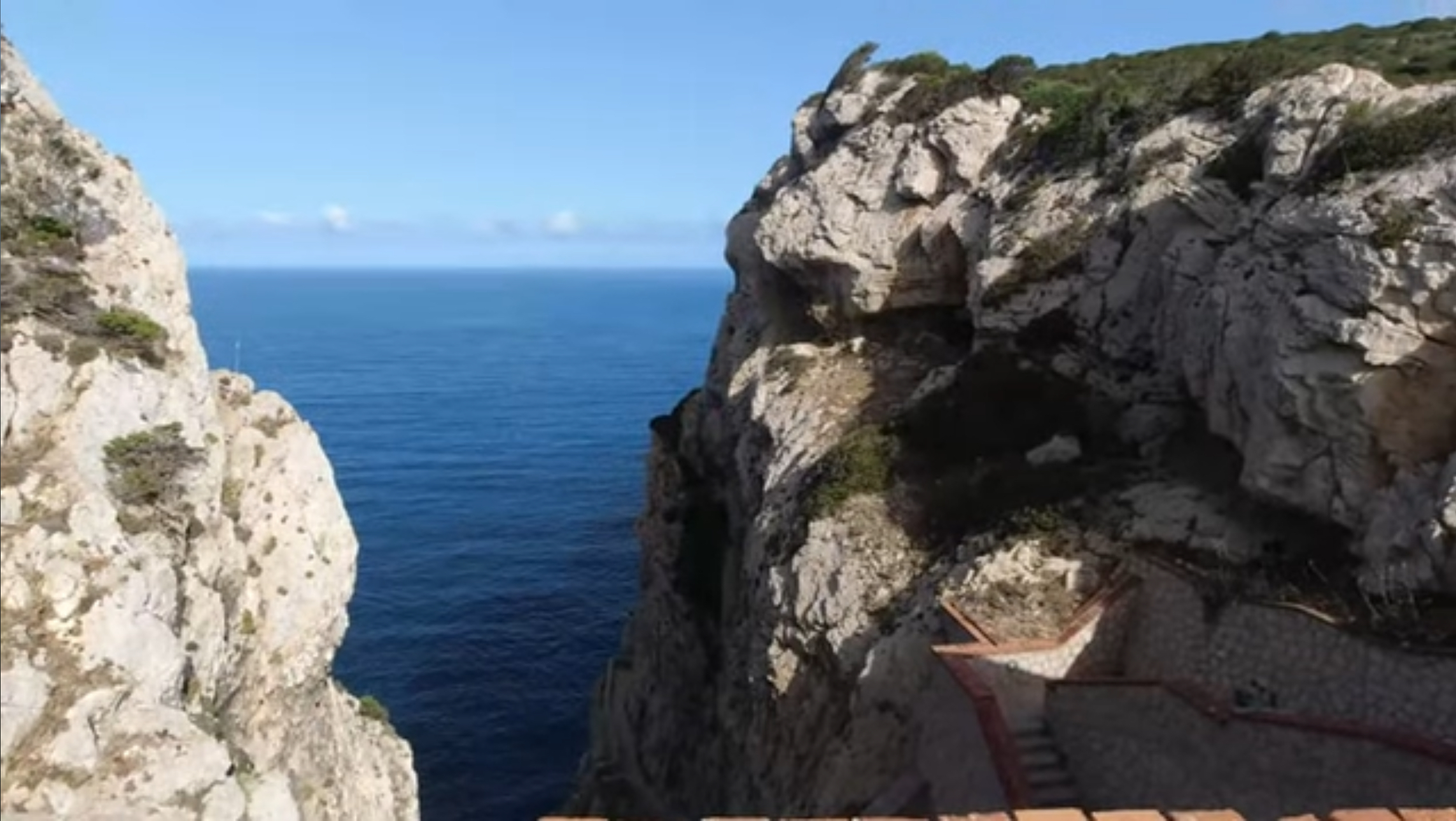
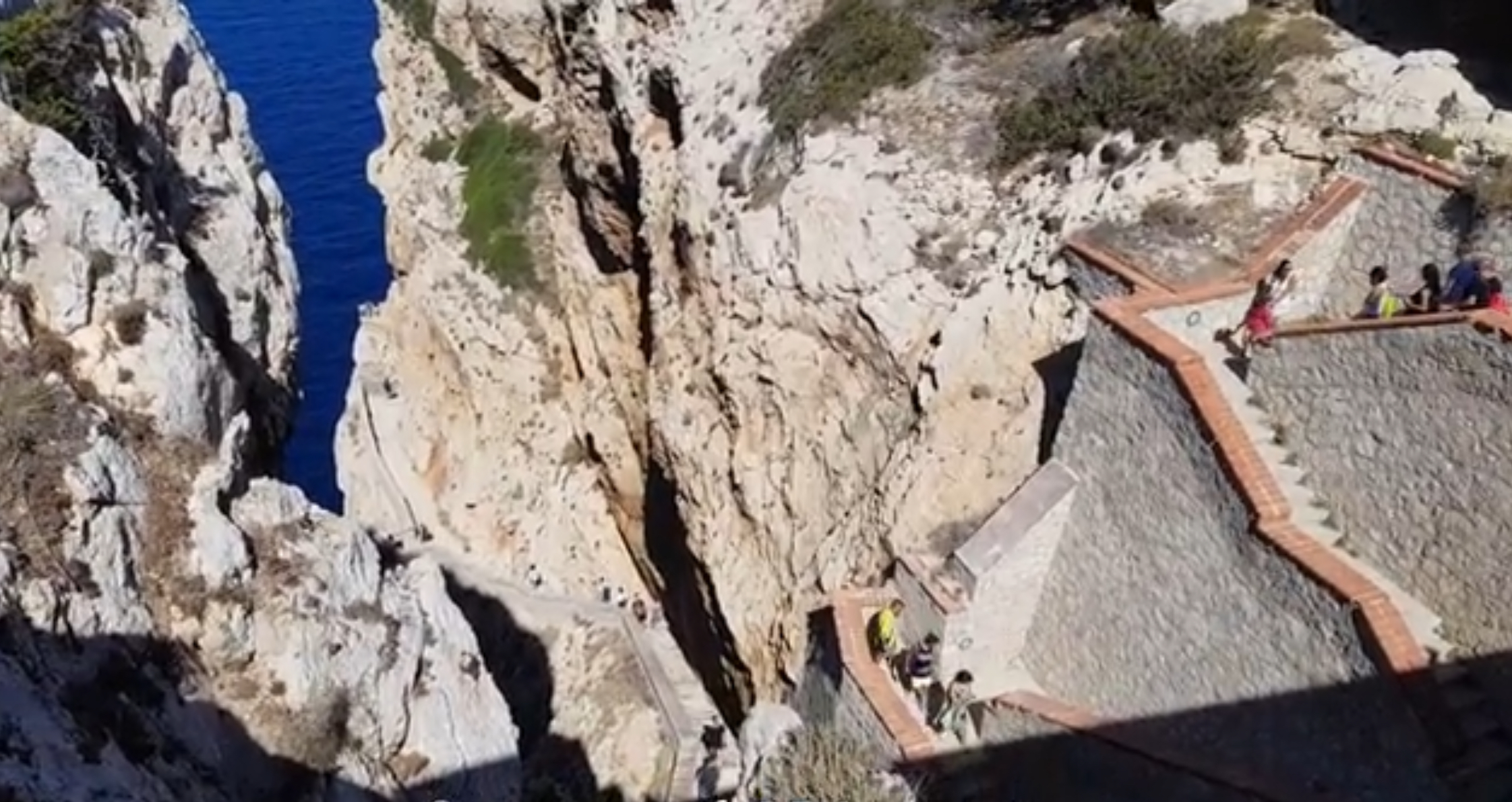
Neptune’s Grotto (Grotta di Nettuno) is a limestone sea cave on the Capo Caccia promontory, reachable two ways. By boat, a scenic crossing departs from Alghero’s harbor and runs seasonally, roughly April through October. By land, you descend the Escala del Cabirol, a staircase of approximately 654 steps cut into the cliff face; official information lists land access January through December, though it remains subject to opening status and safe conditions on any given day. Either way, entry inside the cave is guided, and both the boat crossing and land access can be suspended if the sea or weather conditions turn unfavorable, so build in flexibility and check current conditions close to your visit if this is a priority stop. The staircase itself is physically demanding — steep and lengthy in both directions — so families should judge for themselves whether children can safely manage the descent and the climb back up. Visitors with mobility concerns should contact the cave and boat operator directly, since arriving by boat avoids the exterior staircase but does not guarantee step-free access once inside.
Explore Capo Caccia and Porto Conte
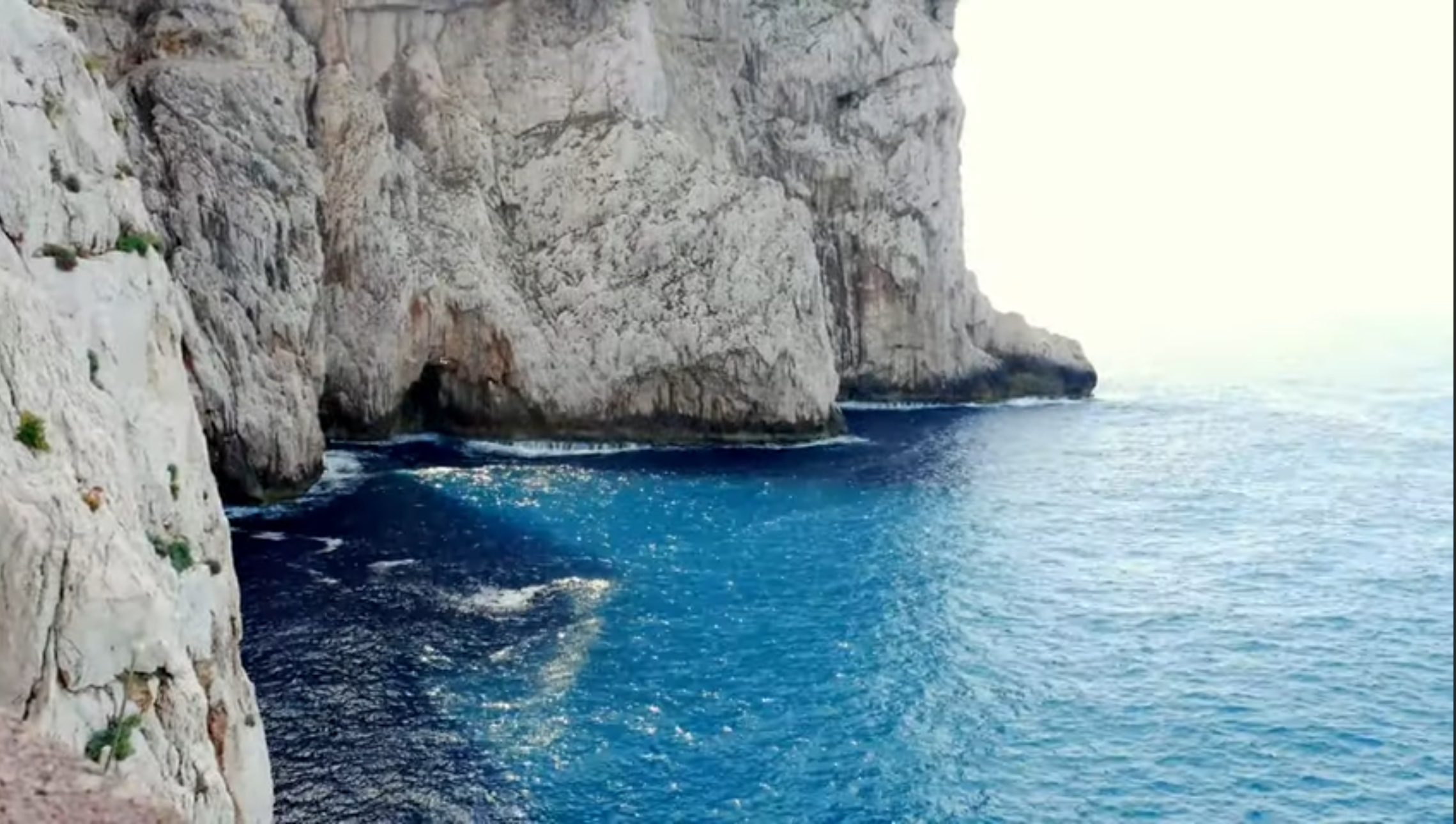
Capo Caccia is the limestone headland above Neptune’s Grotto, and Porto Conte is the wide, sheltered bay just inland from it, both protected within Porto Conte Regional Park. Beyond the grotto itself, the park is worth a half-day for its cliffside viewpoints, coastal landscapes, and protected natural setting. A car makes this area far easier to explore at your own pace. ARST route 9321 provides scheduled service between Alghero, Porto Conte, and Capo Caccia. Check the current timetable before planning the day around it. Combine this area with Neptune’s Grotto and Nuraghe Palmavera, both of which sit along the same road, to avoid doubling back.
Relax at Lido di San Giovanni
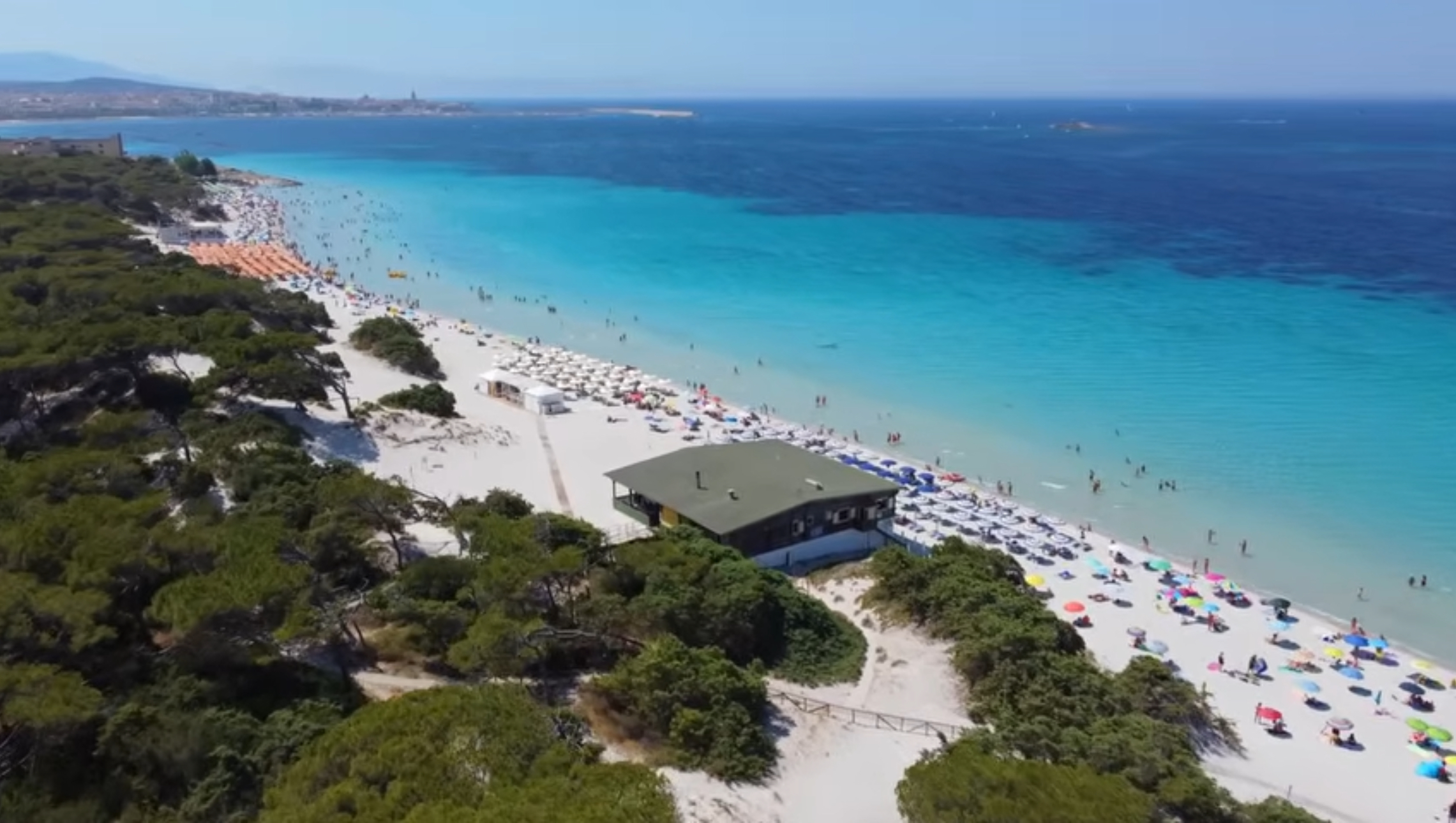
Lido di San Giovanni is Alghero’s in-town beach, a sandy stretch running along the promenade a short walk south of the old town — a straightforward option if you don’t have a car or want a swim without leaving the walkable center. As an urban beach, it has a different feel than beaches further from town, and conditions and crowd levels vary through the season.
Visit Maria Pia Beach
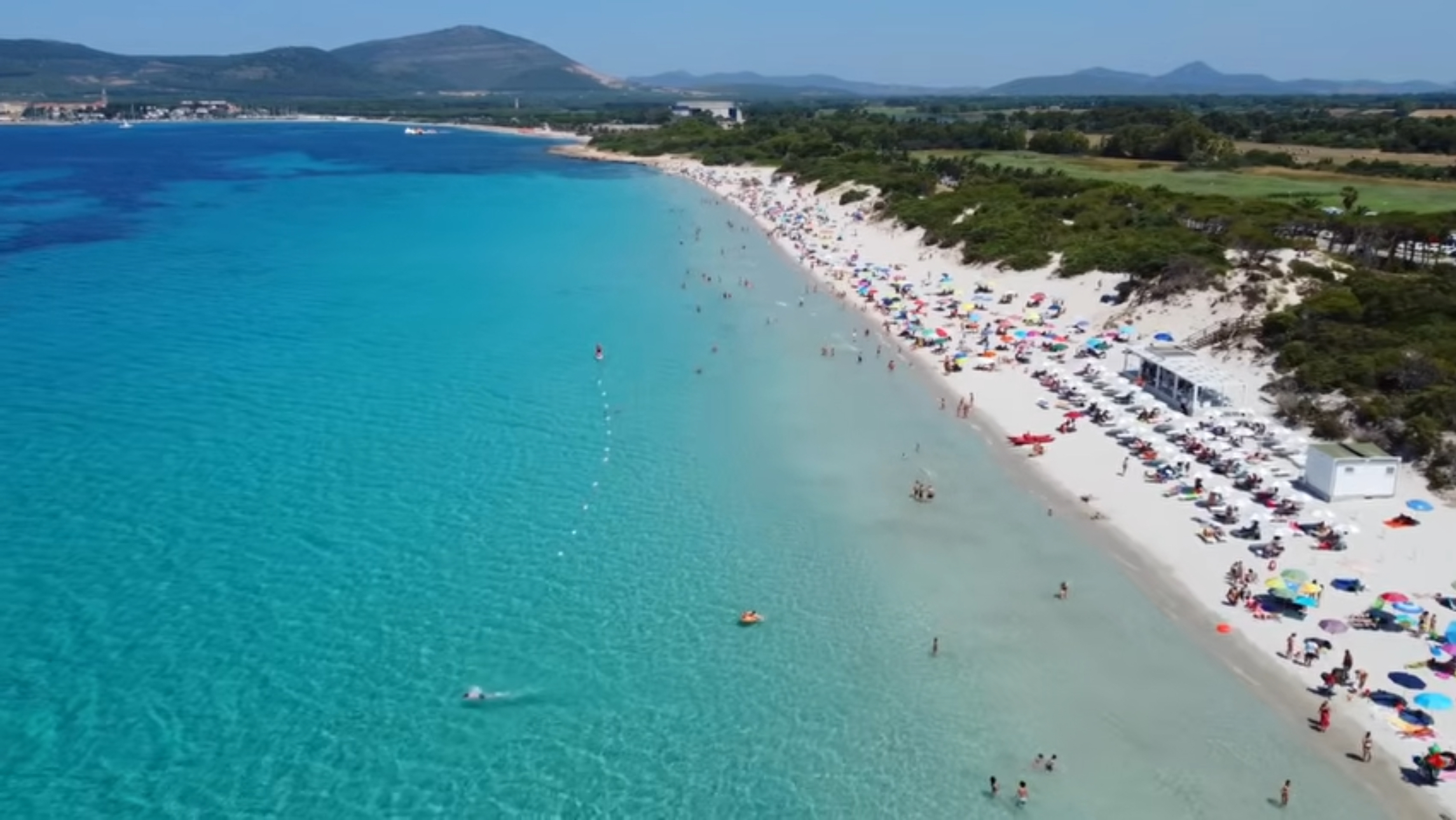
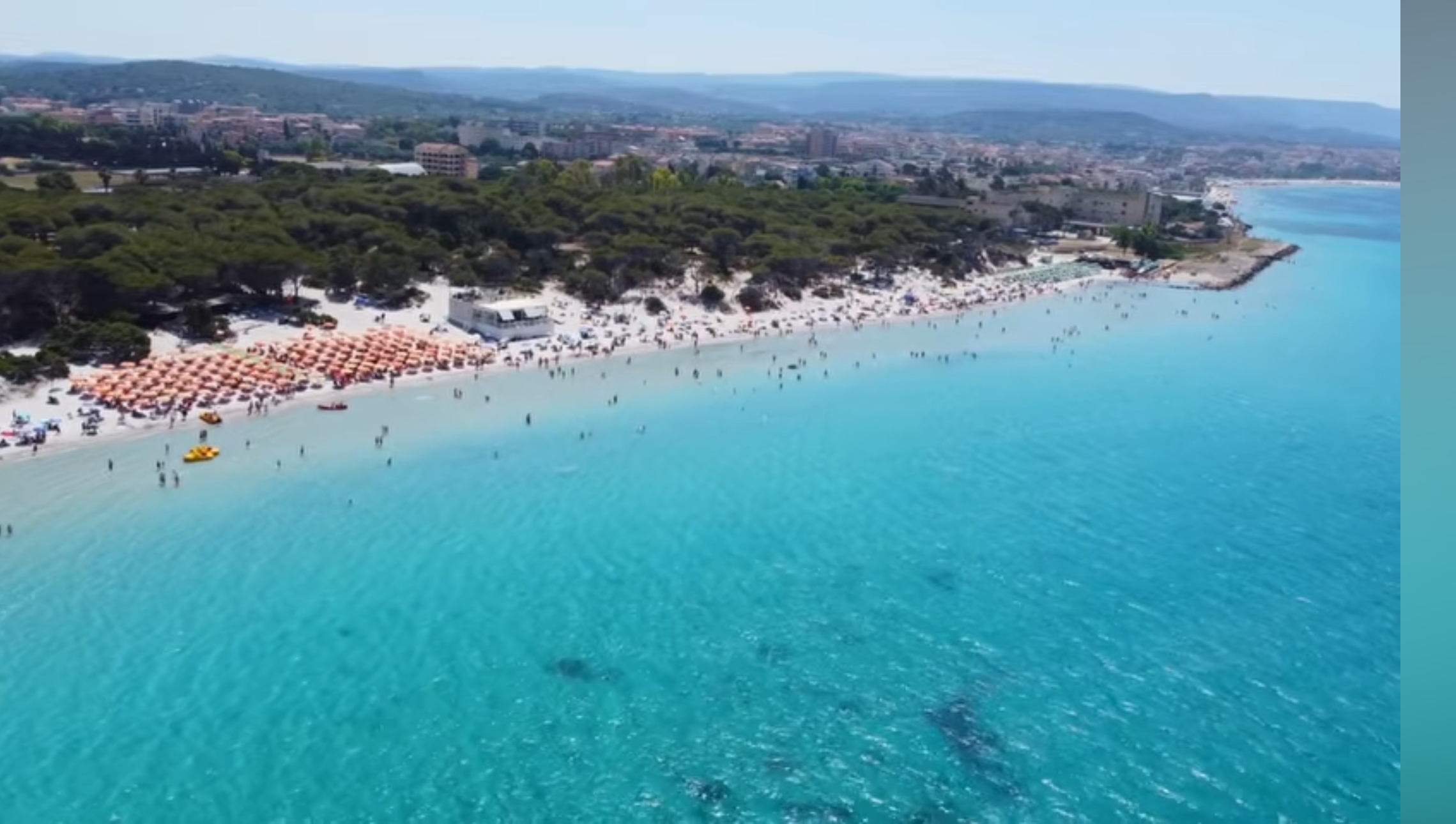
Maria Pia is a longer beach a few kilometers north of the center, backed by a pine grove, with a shallow, sandy profile that works well for families. Crowd levels and water conditions vary by season and time of day. It’s reachable by local bus or a short drive, and having a car gives you the flexibility to also try Le Bombarde or Lazzaretto further along the same coast if you want other options.
Take a Boat Excursion
Beyond the dedicated Neptune’s Grotto crossing, multiple operators run boat excursions from Alghero’s harbor along the Capo Caccia coastline, typically combining swim stops with views of the cliffs from the water. These trips run on a seasonal schedule and are, like the grotto boats, weather-dependent — always confirm the day before in shoulder season. If you want to see this coast without the stair climb, or you’d rather spend your time on the water than on a single guided cave visit, a general coastal excursion is the more flexible option.
Visit the Nuraghe Palmavera Archaeological Site
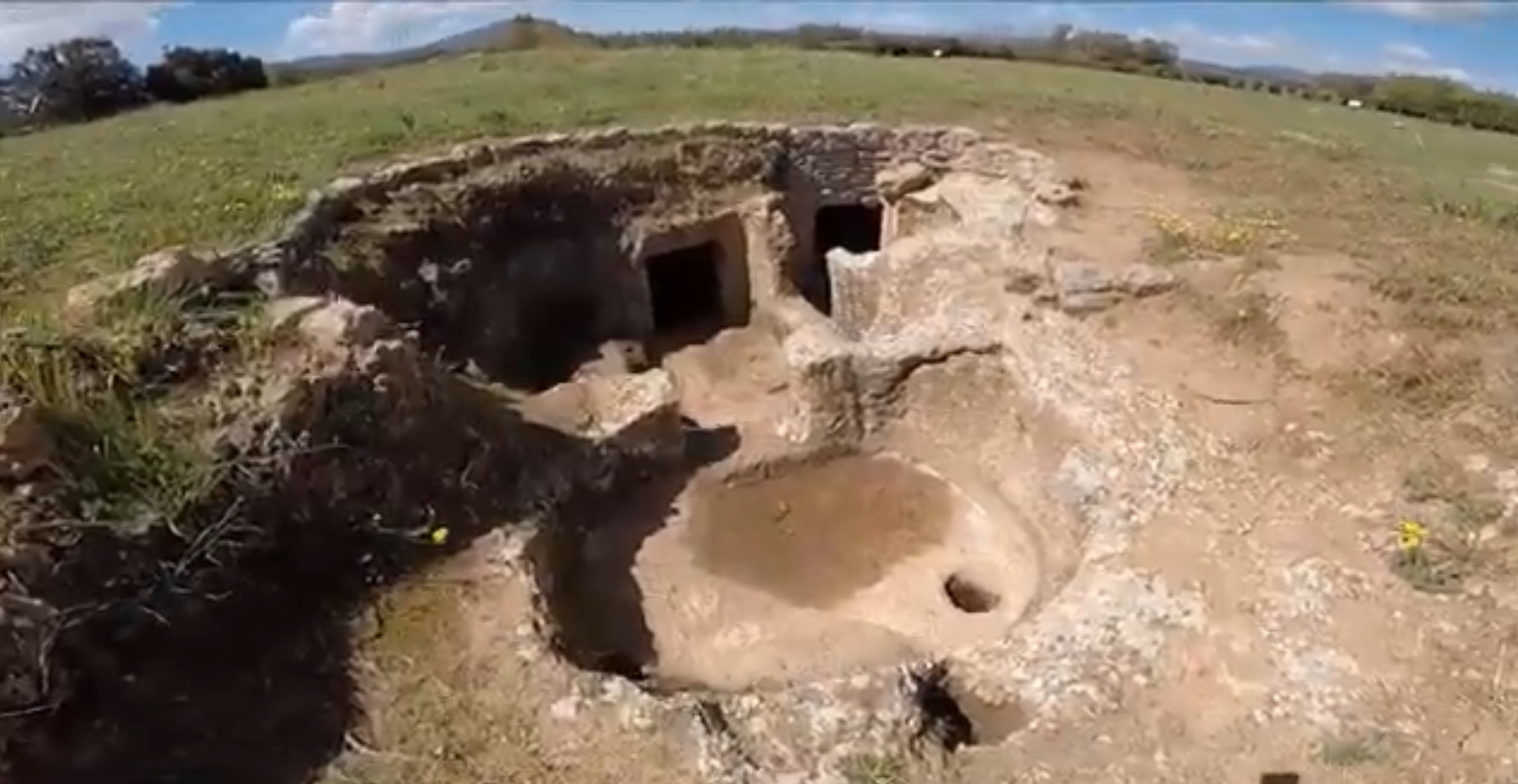
Nuraghe Palmavera is a Bronze Age nuragic complex a short drive from Alghero on the road toward Porto Conte, centered on a two-towered nuraghe surrounded by the remains of around fifty huts, including a larger structure thought to have served as a meeting space. It’s one of the more accessible nuragic sites in the northwest for a first visit, with a recommended visit length of roughly one to two hours. ARST route 9321 serves this coastal corridor, with the nearest stop (Lazzaretto) around 1.5 kilometers from the site itself — plan for that additional walk if you’re arriving by bus. There is parking on site for anyone driving.
See the Anghelu Ruju Necropolis
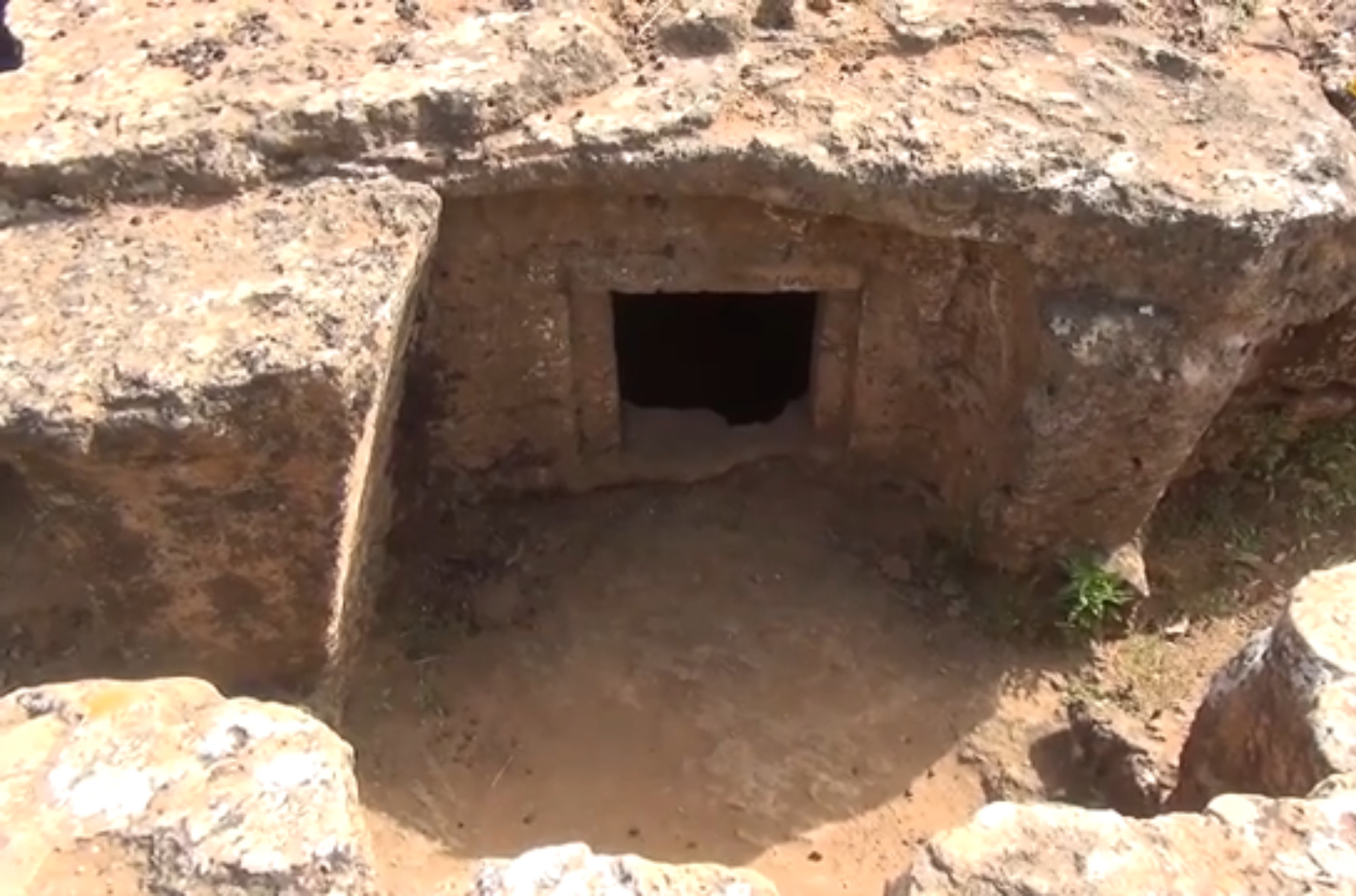
A drive from Alghero in a different direction than Palmavera, Anghelu Ruju is one of Sardinia’s larger prehistoric burial complexes: dozens of rock-cut tomb chambers, known locally as domus de janas, dating back to the Neolithic and Copper Age. Discovered by chance in 1903, the site is open for visits and generally takes under an hour to an hour and a half to walk through. ARST routes 9322 and 9325 serve an Anghelu Ruju stop. The two archaeological sites can be combined efficiently in a single day by car, though they are not adjacent to each other and sit in different directions from central Alghero.
Try Alghero’s Catalan-Influenced Food
Alghero’s four centuries under Catalan-Aragonese rule left a genuine mark on its kitchen, and it shows up most clearly in the seafood. Look for lobster prepared Catalan-style (aragosta alla catalana), typically dressed simply with tomato, onion, and olive oil rather than heavily sauced, alongside Sardinian staples like fregola with clams and bottarga shaved over pasta. Menus in Alghero commonly reflect this Catalan-Sardinian connection, although dishes and availability vary by restaurant and season.
Consider a Day Trip to Bosa
Bosa is a small river town on the west coast, known for its pastel-colored houses climbing toward the Malaspina Castle. Bosa lies south of Alghero along the coastal road; driving time varies with the route and conditions. It works best as a full or half-day trip rather than a rushed stop — allow time to walk the Sa Costa quarter, cross the river, and sit down for a meal, rather than treating it as a quick photo stop. A car is the most practical way to visit, since it lets you set your own return time; without one, check current regional bus schedules before committing, because schedules vary by date and season.
Quick Comparison
Times below are approximate planning estimates, not official durations.
| Activity | Time Needed | Car Useful? | Good for Kids? |
|---|---|---|---|
| Centro Storico walk | ~1.5–2 hrs | No | Yes |
| Sea walls & bastions | ~30–45 min | No | Yes |
| Alghero Cathedral | ~30–45 min | No | Yes |
| Neptune’s Grotto (boat) | ~Half day | No | Depends on age, mobility, and conditions |
| Neptune’s Grotto (Escala del Cabirol) | ~Half day | Helpful | Depends on age, mobility, and conditions |
| Capo Caccia & Porto Conte | ~Half day | Helpful | Yes |
| Lido di San Giovanni | ~1–3 hrs | No | Yes |
| Maria Pia Beach | ~2–4 hrs | Helpful | Yes |
| Coastal boat excursion | ~Half day | No | Yes (age-dependent) |
| Nuraghe Palmavera | ~1–2 hrs | Helpful | Yes |
| Anghelu Ruju necropolis | ~45–90 min | Helpful | Yes, older kids |
| Bosa day trip | ~Full or half day | Yes | Yes |
Suggested Priorities by Trip Length
One Day
- Centro Storico walk
- Alghero Cathedral
- Sea walls and bastions at sunset
- Catalan-style seafood dinner
Two Days
- Day 1: everything above
- Day 2: Neptune’s Grotto by boat or Escala del Cabirol, plus Capo Caccia / Porto Conte
Three Days
- Days 1–2: everything above
- Day 3: Nuraghe Palmavera and Anghelu Ruju in the morning, then Maria Pia Beach or Lido di San Giovanni to unwind — or swap the whole day for the Bosa day trip
Seasonal and Weather Considerations
Boat access to Neptune’s Grotto and general coastal excursions run on a seasonal schedule (roughly April through October) and depend on favorable sea conditions, so a rough-sea day can cancel both with little notice — always check conditions close to your visit if this is central to your plans. Official information lists land access via the Escala del Cabirol from January through December, though it remains subject to opening status and safe conditions on any given day, and the staircase is at its most demanding in July–August heat, when there is little shade along the route. Beach season at Lido di San Giovanni and Maria Pia peaks in summer; outside June–September, expect a quieter, cooler coastline better suited to walking than swimming. Confirm current visiting access for the Cathedral and the archaeological sites close to your travel dates rather than relying on assumptions about hours.
Final Shortlist by Traveler Type
- First-timers with one day: Centro Storico, Cathedral, sea walls and bastions.
- Families with young kids: Lido di San Giovanni or Maria Pia Beach, Centro Storico, Neptune’s Grotto by boat if boarding, sea conditions, and cave access suit the family.
- Active travelers: Escala del Cabirol descent to Neptune’s Grotto, Capo Caccia trails, a coastal boat excursion.
- History and culture travelers: Nuraghe Palmavera, Anghelu Ruju necropolis, Alghero Cathedral, Centro Storico.
- Food-focused travelers: Centro Storico for lunch, Catalan-style lobster dinner near the port, a day trip to Bosa for a slower, local pace.