
Alghero packs a walkable historic center, a working port, sandy beaches, and rugged coastline within a compact area — but “Alghero” covers several genuinely different bases, from the largely pedestrianized old town to agriturismi in the surrounding countryside. This guide compares the practical options so you can match a base to your itinerary rather than booking on the name alone. For the full destination picture, see our Alghero guide and the Alghero & Northwest destination page.
Quick Answer: Which Base Suits Which Traveler
The Old Town suits first-time visitors and travelers without a car who want to walk everywhere and stay close to restaurants and sights, with the trade-off of the ZTL restricting vehicle access. The waterfront and Lido area suits travelers who want beach access with a short walk into the historic center. Maria Pia suits families wanting a residential beach setting a short distance from the center. Fertilia suits travelers prioritizing airport convenience or a smaller-town base outside central Alghero. Porto Conte suits travelers focused on nature, Neptune’s Grotto, and the Capo Caccia coastline, generally requiring a car. Countryside agriturismi suit travelers wanting a rural, slower-paced stay with easy driving access to multiple areas.
Alghero Old Town (Centro Storico)
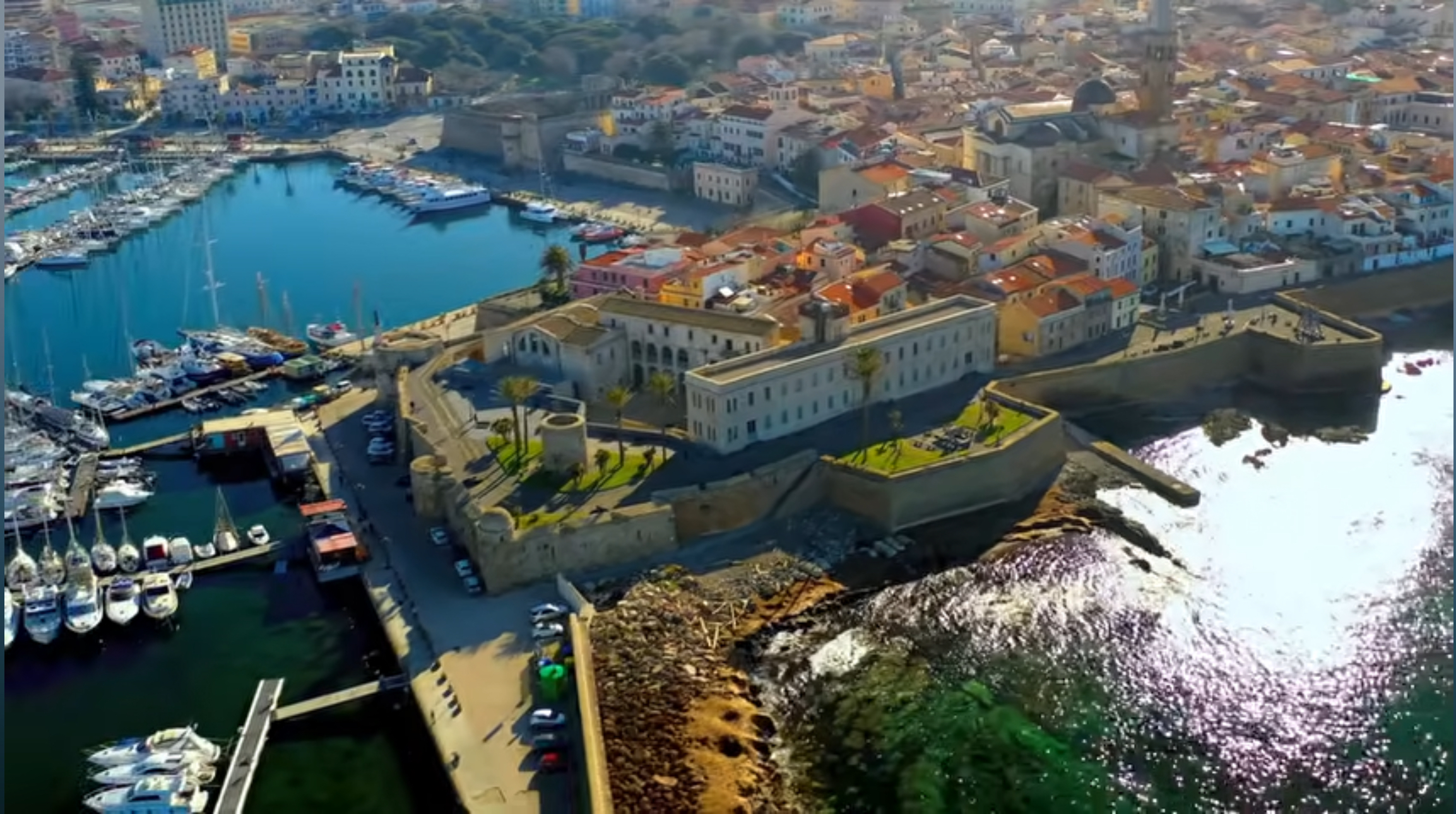
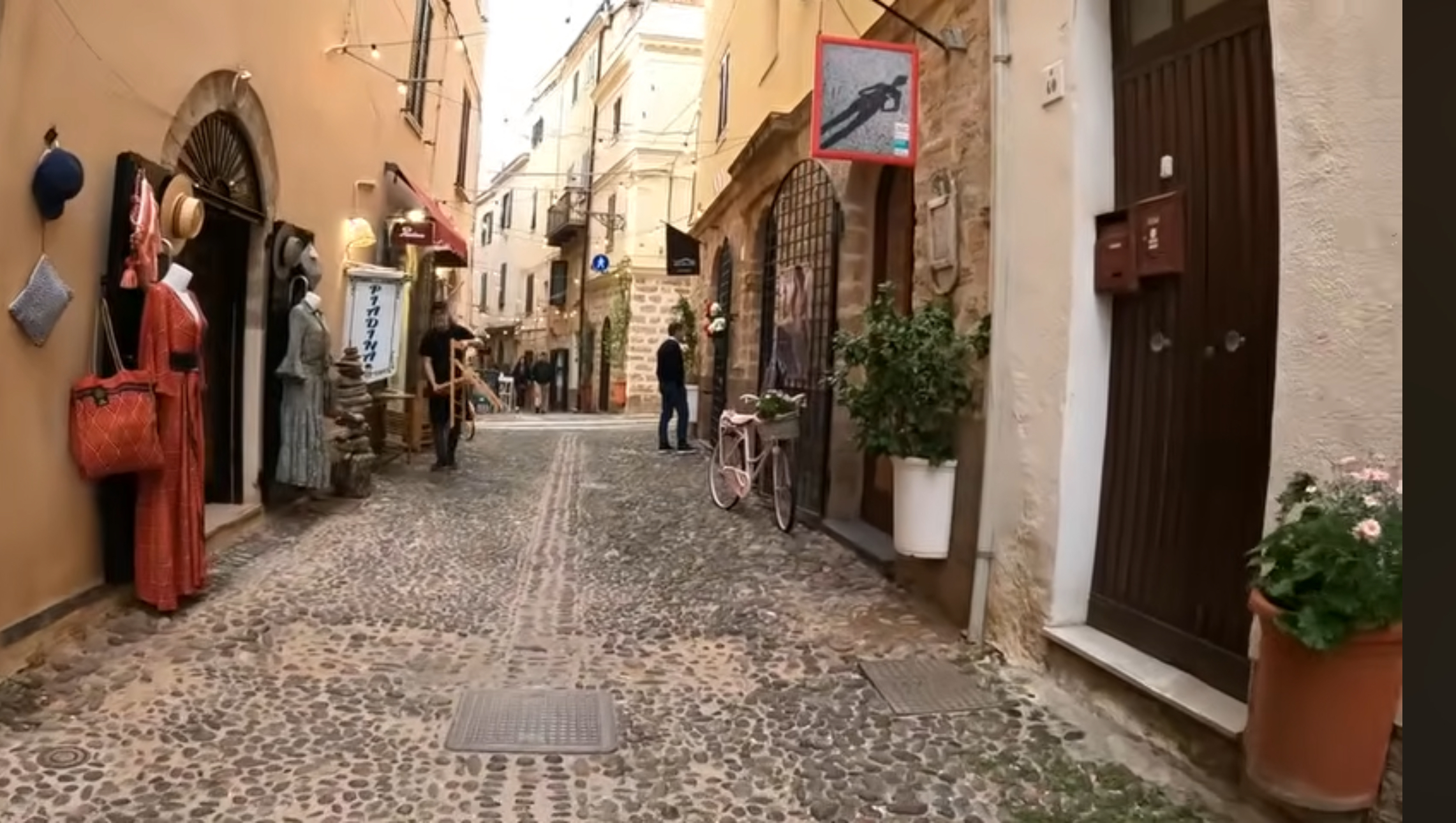
The historic center is Alghero’s walkable core — Catalan-Gothic architecture, city walls facing the sea, and many of the town’s restaurants, shops, and evening venues. Staying here means most of what you’ll do on a typical day is within a few minutes on foot. It is a practical choice for travelers without a car. Streets are narrow and largely pedestrianized in the innermost sections, which contributes to the atmosphere but also means any accommodation here is reached on foot for the final stretch, luggage in hand. The trade-off is the Zona a Traffico Limitato (ZTL), discussed below, which restricts vehicle access to the old town — if you’re driving, plan on parking outside the ZTL and walking in, or confirm your accommodation’s specific arrangement for guest access.
The Waterfront and Lido Area
Just beyond the old town, the waterfront and Lido area offers a more conventional beach-town setting — sandy beach access within walking distance, and generally a short walk into the historic center for restaurants and sights. This suits travelers who want beach time as a daily default without giving up easy access to the old town’s amenities.
Maria Pia
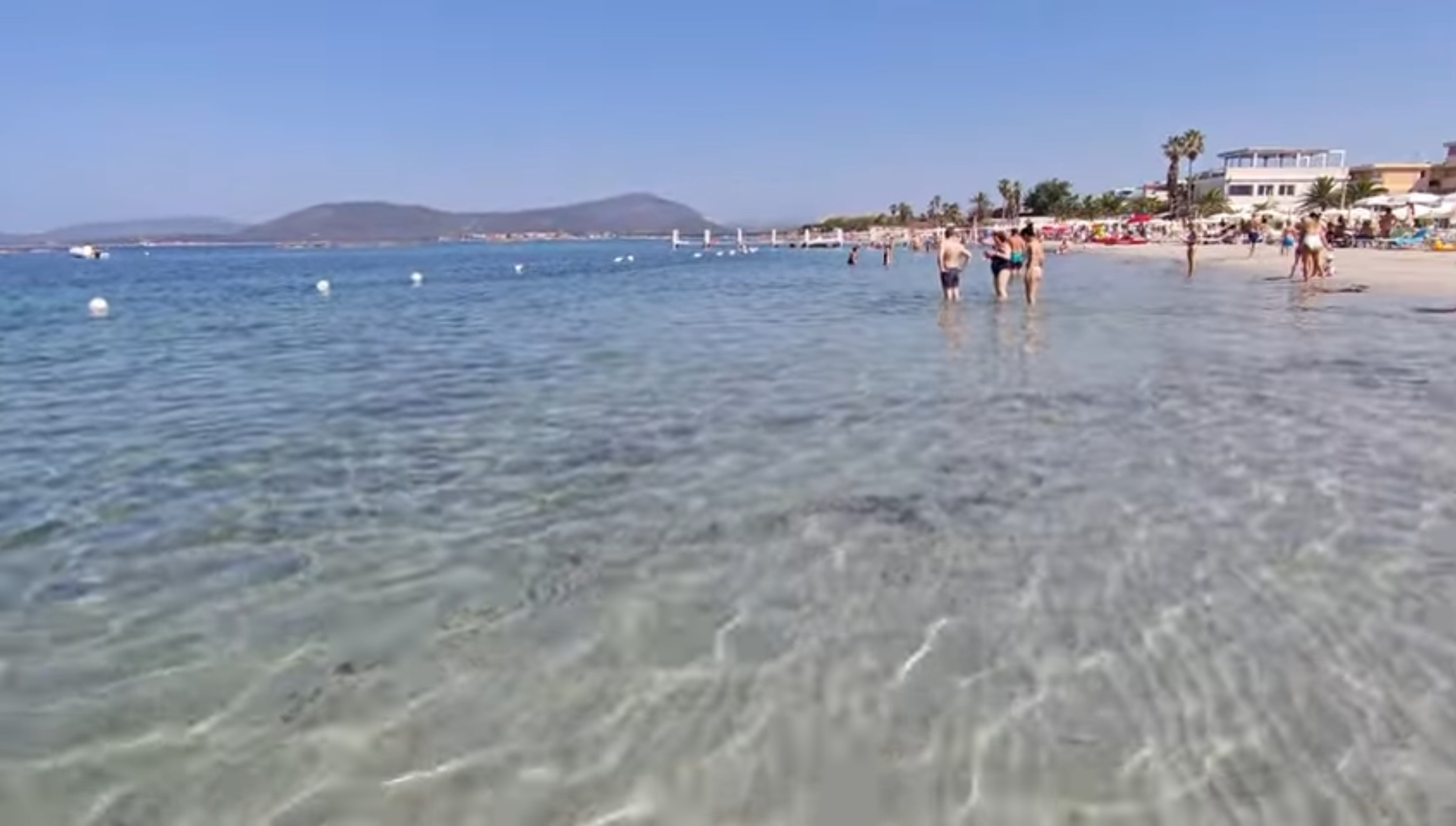
Maria Pia is a residential beach area a short distance from the old town, built around its own sandy beach and a more local, less densely touristic feel than the center. It works well for families wanting beach access without the old town’s evening bustle. Connections into central Alghero are possible by road and public transport, but schedules vary. Check the current official ARST Maria Pia timetable if you plan to stay here without a car.
Fertilia
Fertilia sits near Alghero’s airport, a planned town with its own harbor and a different, smaller-town setting than the old town. It’s the practical choice if airport convenience is a priority, or if you prefer a smaller-town base and don’t mind a short drive or bus ride into central Alghero for restaurants and sights. Public buses connect Fertilia to central Alghero, but confirm the current official ARST Alghero–Fertilia timetable rather than assuming frequent service.
Porto Conte
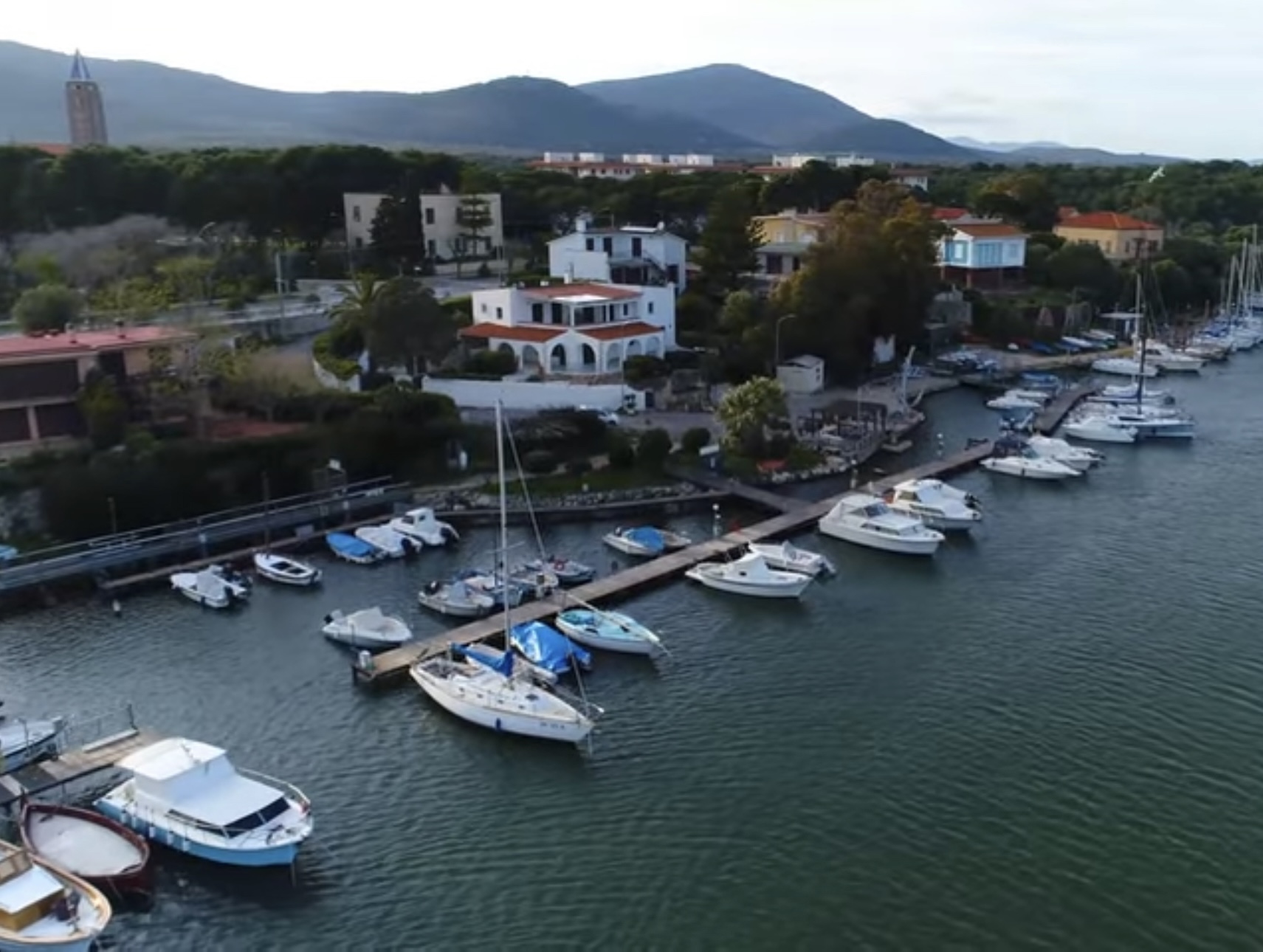
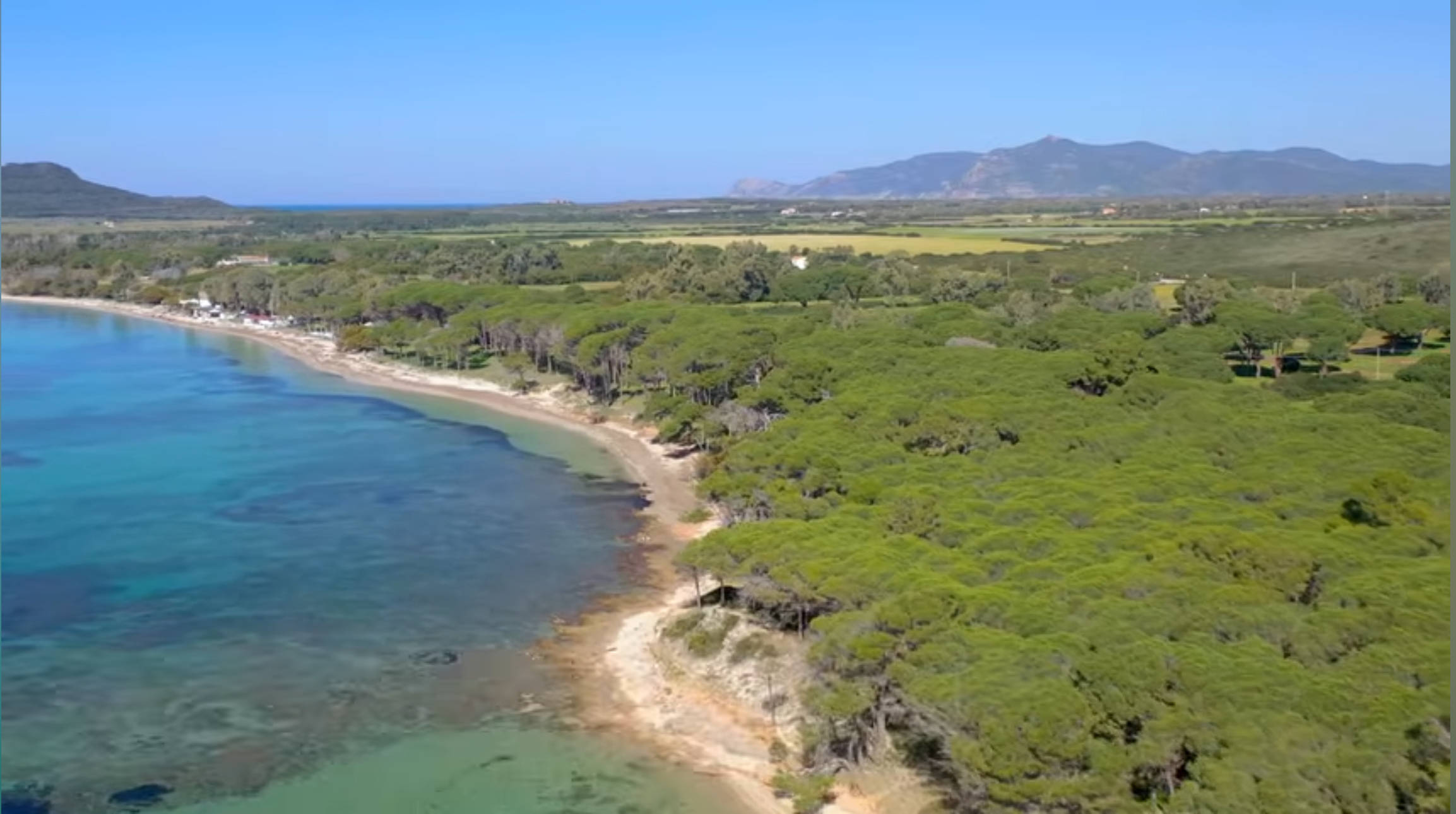
Porto Conte, further along the coast toward Capo Caccia, is the natural base for travelers prioritizing nature and the dramatic coastline around Neptune’s Grotto rather than the old town’s restaurants and nightlife. Accommodation here is more spread out and generally requires a car — this isn’t a walkable base for daily errands or evening dining the way the old town is, but it puts you closest to the Capo Caccia headland and its hiking and diving opportunities.
Countryside Accommodation and Agriturismi
Working farm stays and countryside accommodation scattered around Alghero’s rural hinterland suit travelers wanting a slower-paced, rural base with a genuine connection to local food and agriculture. These generally require a car, given their distance from any walkable town center, but they offer relatively easy driving access to the old town, the beaches, and Porto Conte alike — useful if you’re not committed to any single area and want a flexible middle ground.
Comparing the Areas at a Glance
| Area | Best For | Walkability | Car Usefulness | Main Limitation |
|---|---|---|---|---|
| Old Town | First-time visitors, no-car travelers, restaurants and sights | Excellent — everything on foot | Limited by the ZTL | Vehicle access restricted; parking is outside the center |
| Waterfront/Lido | Beach access with old-town proximity | Good — short walk to center | Optional | Fewer sights directly on-site than the old town |
| Maria Pia | Families wanting a residential beach base | Good locally; limited beyond | Recommended | Distance to old-town restaurants and sights |
| Fertilia | Airport convenience, smaller-town setting | Limited beyond the immediate area | Recommended | Distance to old-town atmosphere |
| Porto Conte | Neptune’s Grotto, Capo Caccia, nature | Low — spread out | Recommended | Not walkable to old-town restaurants or nightlife |
| Countryside/Agriturismi | Rural pace, flexible driving access | Low — rural setting | Recommended | Distance from any walkable town center |
Do You Need a Car?
If you’re staying in the old town or the waterfront/Lido area and mainly want to explore Alghero itself, a car isn’t necessary — the historic center is fully walkable, and the ZTL makes driving within it impractical anyway. A car becomes genuinely useful the moment your plans include Porto Conte, Neptune’s Grotto by road, the countryside, or day trips beyond Alghero itself. If you’re staying in Maria Pia, Fertilia, Porto Conte, or the countryside, a car provides considerably more flexibility, although some areas have public-transport connections.
The Old Town’s ZTL
Alghero’s historic center contains a Zona a Traffico Limitato (ZTL), where vehicle access is restricted and authorization procedures apply. Current access windows, eligible vehicles, and permit conditions are controlled by the Comune di Alghero and can change. If your accommodation is inside the ZTL and you’re arriving by car, ask the property for written arrival instructions before entering, including whether your vehicle is eligible for temporary access and whether its registration plate must be communicated in advance. Do not drive through a restricted entrance based only on general online guidance. The simplest arrangement for many visitors is to park outside the restricted area and walk to the property.
Parking
Parking availability and pricing vary by area and season, and we won’t invent specific fees here — several paid parking areas exist around the perimeter of the old town’s ZTL, generally the starting point for a walk in with luggage or beach gear, and options are more flexible in Maria Pia, Fertilia, Porto Conte, and the countryside, where there’s no ZTL to work around. Demand for parking near the old town rises sharply in July and August, when spaces close to the walls can be harder to find. Confirm current parking arrangements directly with your accommodation, particularly if you’re staying inside or near the old town in peak season.
Airport Transportation
Alghero-Fertilia Airport is connected with central Alghero by ARST’s AL.F.A. service, with stops including Via Catalogna and Fertilia. Timetables and service patterns can change by date or season, so check the current official ARST Alghero–Fertilia–Airport timetable shortly before traveling rather than relying on a fixed frequency printed here. Taxis are also available; confirm the current fare directly before beginning the journey.
Access to Beaches, Neptune’s Grotto, and Day Trips
Neptune’s Grotto, Alghero’s best-known natural attraction, sits on the Capo Caccia headland and can be reached either by boat, departing from Alghero’s tourist port during the operating season, or by road to Capo Caccia followed by a staircase down the cliff face, the Escala del Cabirol, with approximately 654–660 steps. Porto Conte is the closest base to this approach by road; from the old town or Maria Pia, it’s a drive rather than a walk. Alghero’s beaches — Lido, Maria Pia, San Giovanni, and the beaches further along toward Fertilia and Porto Conte — are spread along the coast, so your base shapes which beach is a walk versus a drive. Regional day trips, including toward Bosa or Sassari, generally require a car or planning around scheduled public-transport connections; confirm current ARST timetables if you’re planning one without a rental car.
Nightlife and Restaurant Access
The old town has many of the area’s restaurants and much of its evening activity, though this is a walkable Italian coastal town rather than a nightlife-focused resort — set expectations accordingly rather than expecting a late-night scene. The waterfront and Lido area shares reasonable proximity to this same restaurant concentration. Maria Pia, Fertilia, Porto Conte, and the countryside all have more limited on-site dining, generally requiring a short trip into the old town or Fertilia’s own center for a wider selection.
Accessibility and Terrain
The old town’s streets are largely level and walkable, though cobblestones and occasional steps are part of the historic fabric — if step-free access matters, ask a specific property directly rather than assuming. The land approach to Neptune’s Grotto involves approximately 654–660 steps. Arriving by boat avoids that exterior staircase, but boat boarding, sea conditions, and access inside the cave can still present mobility limitations. Contact the cave and boat operator directly before booking if step-free access or mobility assistance is required.
Accommodation Types
Hotels, guesthouses, apartment rentals, and B&Bs are all available across the old town, waterfront, and Maria Pia areas, with availability varying by location and season. Fertilia and Porto Conte tend toward apartment rentals and small hotels rather than a dense hotel concentration. Agriturismi are found in the countryside surrounding Alghero and suit travelers wanting a rural stay. Some offer meals or locally produced food, but facilities and meal arrangements vary by property. Confirm current availability and exact offerings directly for your dates rather than assuming any category is uniformly available.
Seasonal Availability
Accommodation availability is seasonal, and some properties reduce hours or close outside the main visitor period. July and August bring the highest demand and earliest bookouts, particularly in the old town and along the waterfront. If your dates are fixed, book well ahead for peak summer, and confirm operating dates directly with any property for shoulder-season or off-season stays rather than assuming year-round availability.
Short vs. Longer Stays
For a short two- or three-night visit, the old town or the waterfront/Lido area gives you the most compact base — walkable access to sights, restaurants, and at least one beach without needing a car for daily logistics. For longer stays, or if Porto Conte and Neptune’s Grotto matter as much to you as the old town, splitting your accommodation or basing yourself somewhere with a car — Maria Pia, Fertilia, or the countryside — gives more flexibility across the wider area without the old town’s parking and ZTL constraints. A longer stay also makes it easier to justify a rental car for the full duration, spreading that cost across more days of use.
A Realistic Three- or Four-Night Recommendation
For most first-time visitors with three or four nights, staying in or near the old town covers the core experience — historic center, waterfront, nearby beaches — without requiring a car for daily life. Add a rental car for a single day to reach Porto Conte and Neptune’s Grotto by road, or book a boat excursion from the port instead and skip the car entirely. This avoids the cost and hassle of a rental car for a trip that’s otherwise walkable, while still reaching the area’s signature natural attraction.
Questions to Ask Before Reserving
Worth confirming before you book: Is the property inside the ZTL, and if so, what’s the registration process for arriving by car? How far is the property from the nearest beach and from the old town center? Is parking included, and where? Is the property open for your specific travel dates? If relying on buses, what’s the current schedule between this base and the airport or old town?
Final Base-Selection Checklist
- Decide whether you’ll have a rental car — this shapes which areas are realistic bases.
- If arriving by car and staying inside or near the old town, obtain the property’s current ZTL and parking instructions before entering.
- Identify which beaches and attractions matter most, then pick the area closest to them.
- Book early for July and August, when demand is highest across all areas.
- Confirm current parking arrangements for your specific property, especially near the old town.
- Check current ARST bus schedules if you’re planning to rely on public transport for the airport or day trips.
For the fuller picture of what to see and do once you’ve chosen a base, see our Alghero guide and the Alghero & Northwest destination page.