
Golfo Aranci sits on Sardinia’s northeast coast, a former fishing village that has grown into a low-key seaside town without losing its small-harbor character. It suits travelers who want easy, walkable beaches and a genuine village feel within reach of the Costa Smeralda and Olbia’s airport — rather than the marina glamour of Porto Cervo or the busier resort scene of San Teodoro. This guide covers the town’s beaches, the wilder coves around Capo Figari, how to get there, and how to fit Golfo Aranci into a wider Northeast Sardinia itinerary.
Where Golfo Aranci Is
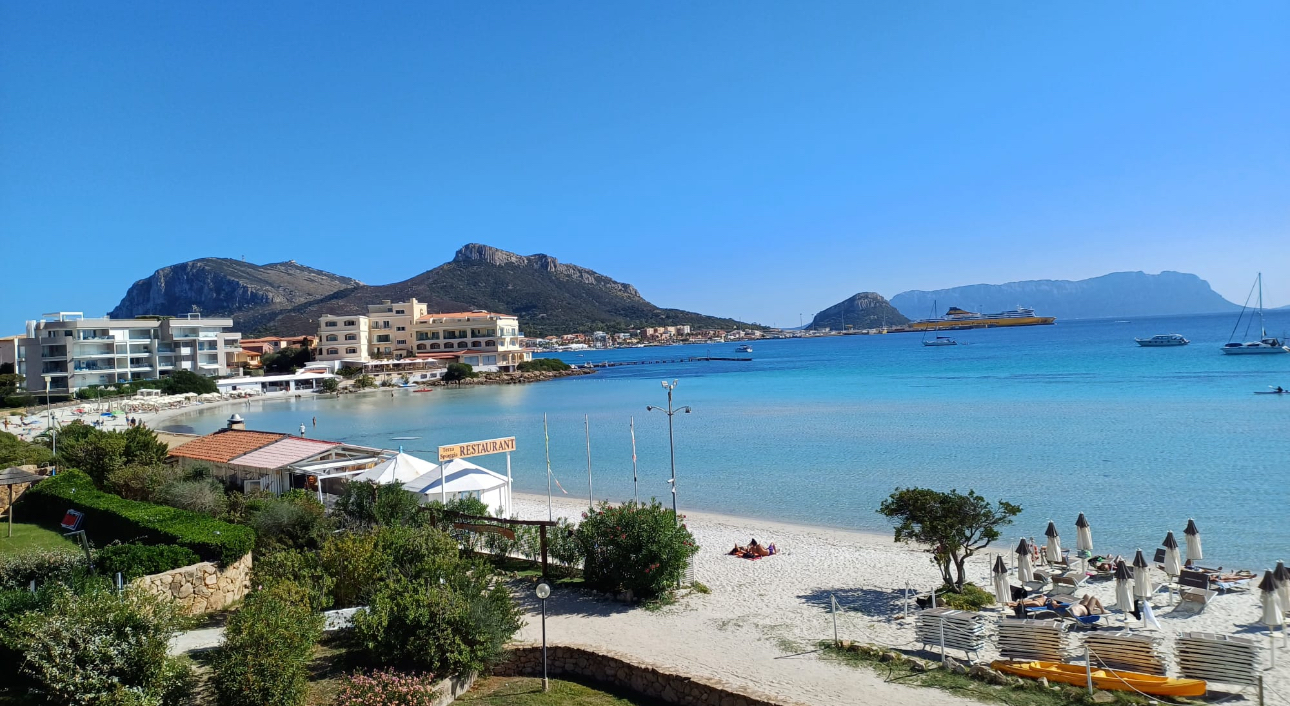
Golfo Aranci occupies the promontory at the northeastern corner of Sardinia, roughly 18 kilometers from central Olbia. Driving time varies with traffic — allow more than the base 20–25 minutes during peak summer months, when the coast road can slow considerably. It sits at the foot of the Capo Figari headland, with the Costa Smeralda stretching north along the coast and the island of Tavolara visible to the south across the water. Its position — close to Olbia’s transport links but removed from the Costa Smeralda’s built-up resorts — is part of what makes it a distinct base rather than simply an extension of either.
The town’s name has a slightly unusual origin: it was originally called Figari, and “Golfo Aranci” (“Gulf of Oranges”) is widely believed to come from a mid-20th-century mistranslation of the local dialect name Gulfu di li Ranci, meaning “Gulf of Crabs” — the most commonly repeated explanation, though not one with a single definitive historical source. The port also handles ferry connections to the Italian mainland, which historically shaped the town more than tourism did — worth knowing if the harbor feels more functional than picturesque in places.
What the Town Feels Like
Golfo Aranci is small and walkable, built around a working harbor and a seafront promenade rather than a resort strip. Colorful low-rise houses, a handful of seafood restaurants, and small shops selling local products and coral souvenirs line the center. A newer pedestrian shopping promenade has added a few boutiques, but the town has largely kept its fishing-village scale rather than becoming a nightlife destination — evening options here are quiet compared to Porto Cervo or San Teodoro, and travelers looking for a livelier scene after dark generally head toward Porto Rotondo or elsewhere on the coast.
The Waterfront and Town Beaches
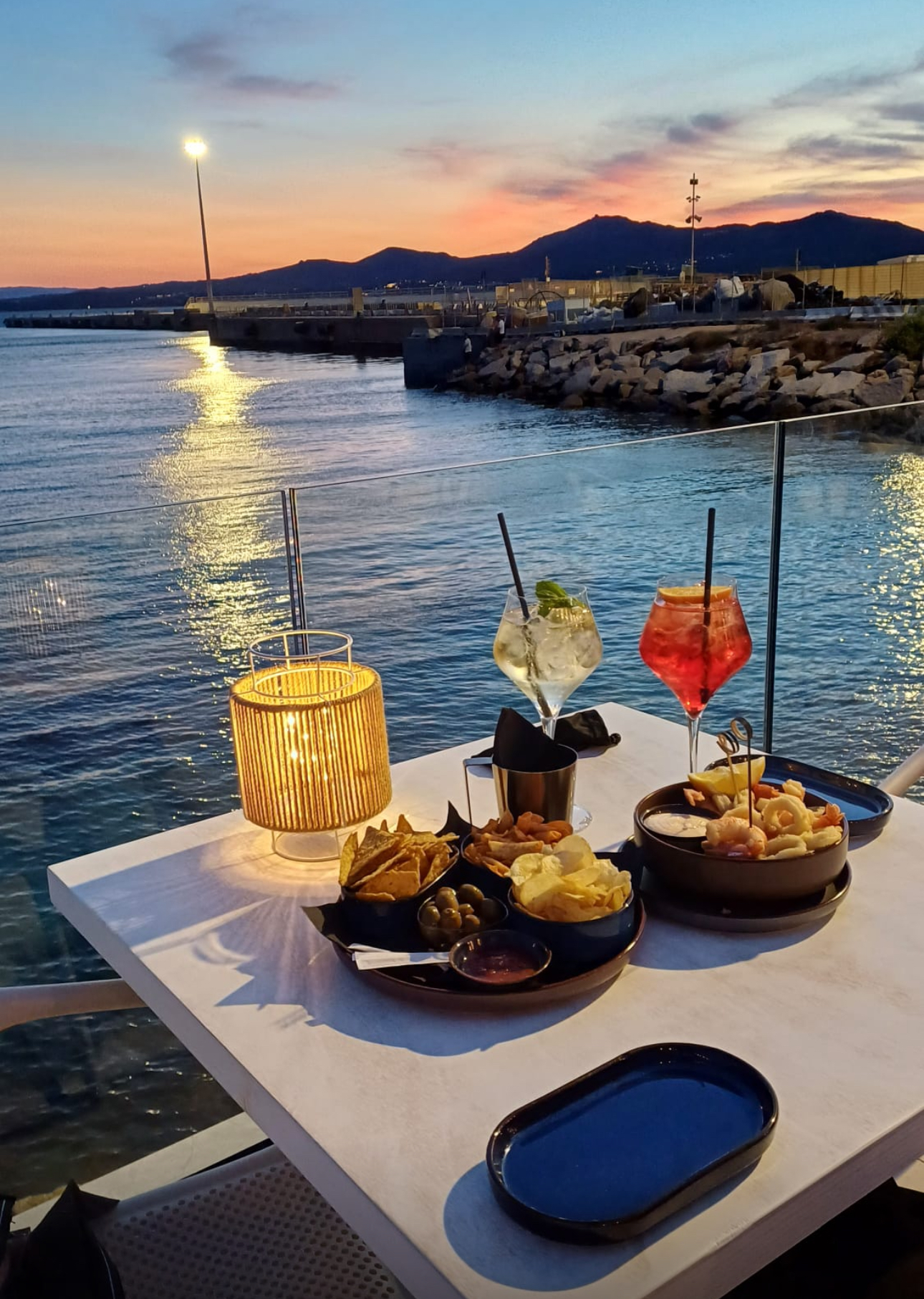
Five sandy beaches of varying sizes, informally numbered One through Five, sit within easy walking distance of the town center — a practical option for families or anyone without a car. Beyond the beaches themselves, the promenade is worth a slow walk for the view back toward Capo Figari and Figarolo Island, and for the small museum installed just offshore near the third of the town beaches (Terza Spiaggia): MuMart, an underwater sculpture museum with roughly 14 contemporary works placed at a depth of approximately 4–7 meters. It can be explored by qualified swimmers, snorkelers or divers under appropriate conditions, and guided visits may be available through local operators — worth confirming current access and safety guidance before planning a visit around it.
Comparing the Principal Beaches
Golfo Aranci’s beaches range from walkable town coves to a genuinely wild, boat-or-hike-only bay. This is a general comparison rather than a fixed ranking — conditions, facilities, and crowd levels shift with the season, so treat it as a starting point rather than a guarantee.
| Beach / Area | Atmosphere | Access | Facilities | Typical Crowds | Best For |
|---|---|---|---|---|---|
| Town beaches (Uno–Cinque) | Easygoing, village-adjacent | Walk from the center | Cafes and restaurants nearby | Generally busier in peak summer | Families, travelers without a car |
| Baia Caddinas | Sheltered, granite-framed cove | Short drive or walk, under 1km from town | Some resort/beach-club amenities nearby | Moderate | Shallow water, young children |
| Cala Sassari | Relaxed, amber sand | Short drive from town | Mix of free beach and serviced sections | Busier in peak season | Those wanting sunbed/umbrella service |
| Spiaggia Bianca | Scenic sandy beach framed by rocky points | A few km toward Olbia; car recommended | Limited | Can become busy during peak summer | Clear water and a scenic beach close to town |
| Cala Moresca | Wild, dramatic, cliff-backed | Designated parking area followed by an approximately 15–20-minute walk; arrangements may change seasonally | None — bring water and supplies | Quieter early in the day | Snorkeling, photography, a genuine sense of remoteness |
Cala Moresca
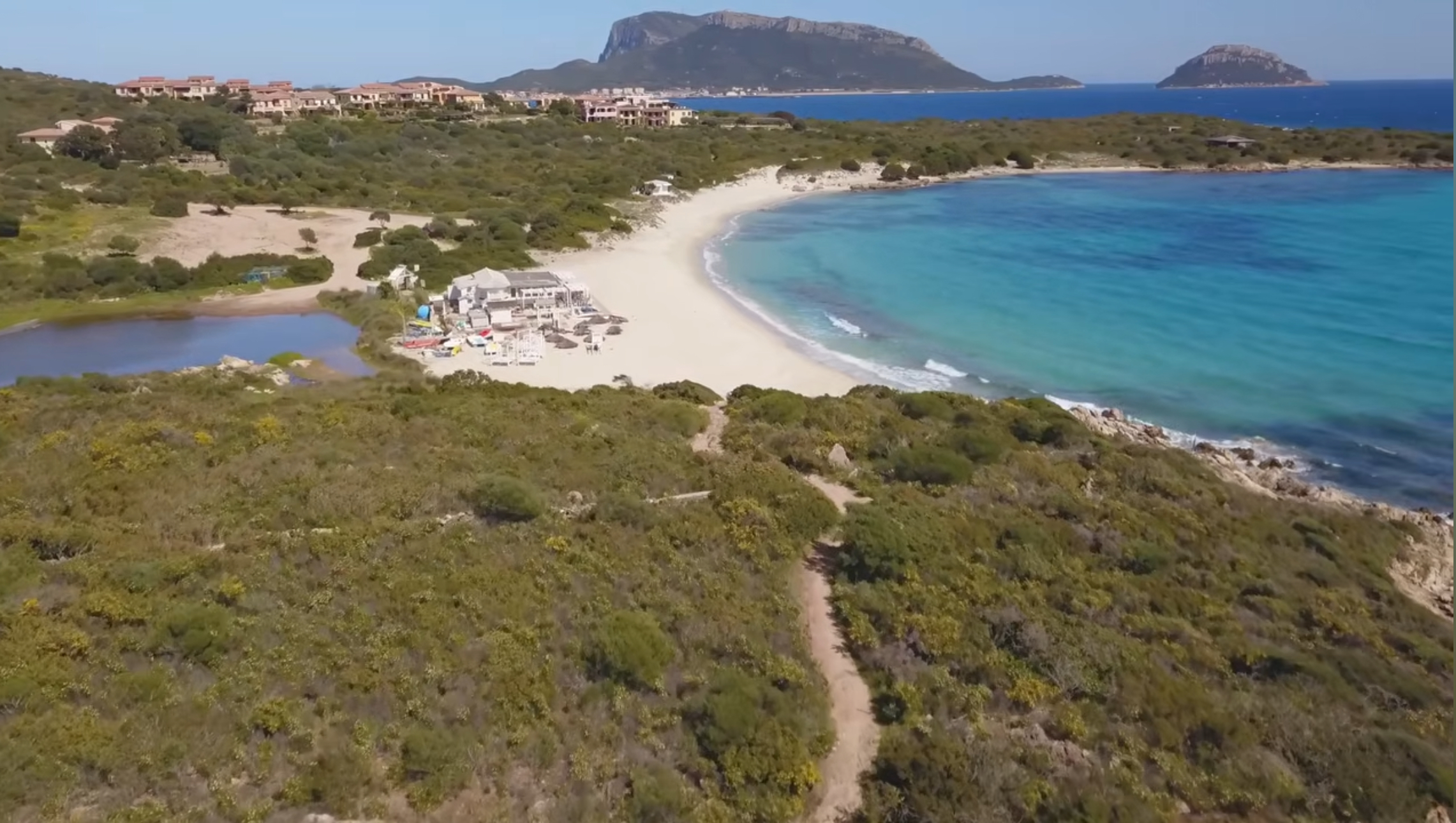
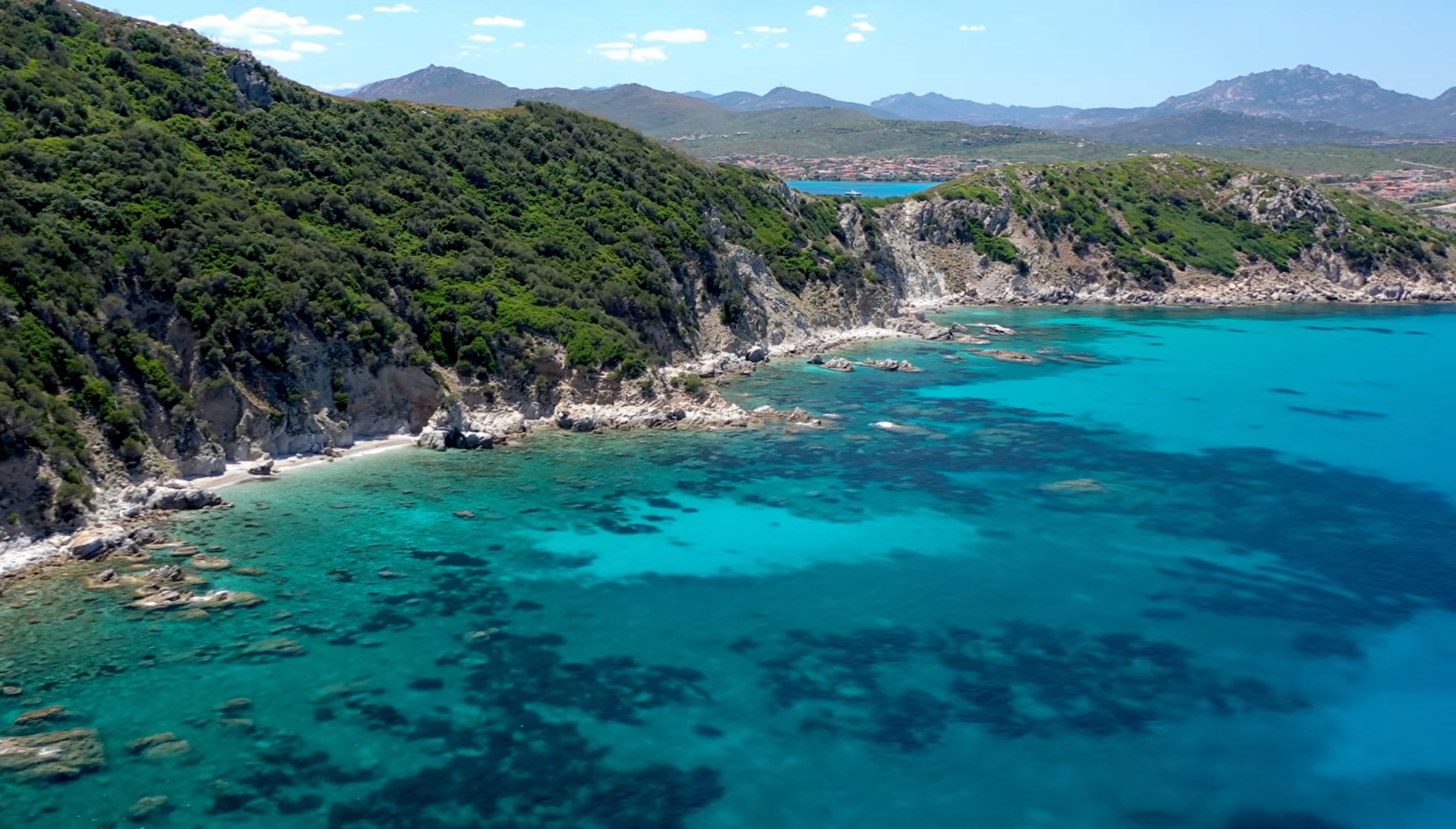
Cala Moresca is the beach that tends to define Golfo Aranci for visitors who make the effort to reach it. Tucked inside the protected Capo Figari headland a few kilometers south of town, it’s actually two small coves of golden sand backed by pine and Mediterranean scrub, with clear water and dramatic rock formations facing the pyramid-shaped silhouette of Figarolo Island offshore. It gained some extra attention as a filming location for Disney’s 2023 live-action “The Little Mermaid,” though its appeal predates that by decades.
There’s no direct vehicle access to the cove itself — cars stop at a designated parking area, and it’s roughly a 15–20 minute walk in on a flat, easy coastal track. Parking arrangements, fees, and hours may change seasonally, so it’s worth confirming current details locally before visiting rather than relying on a fixed figure.
Capo Figari: Hiking Conditions and Viewpoints
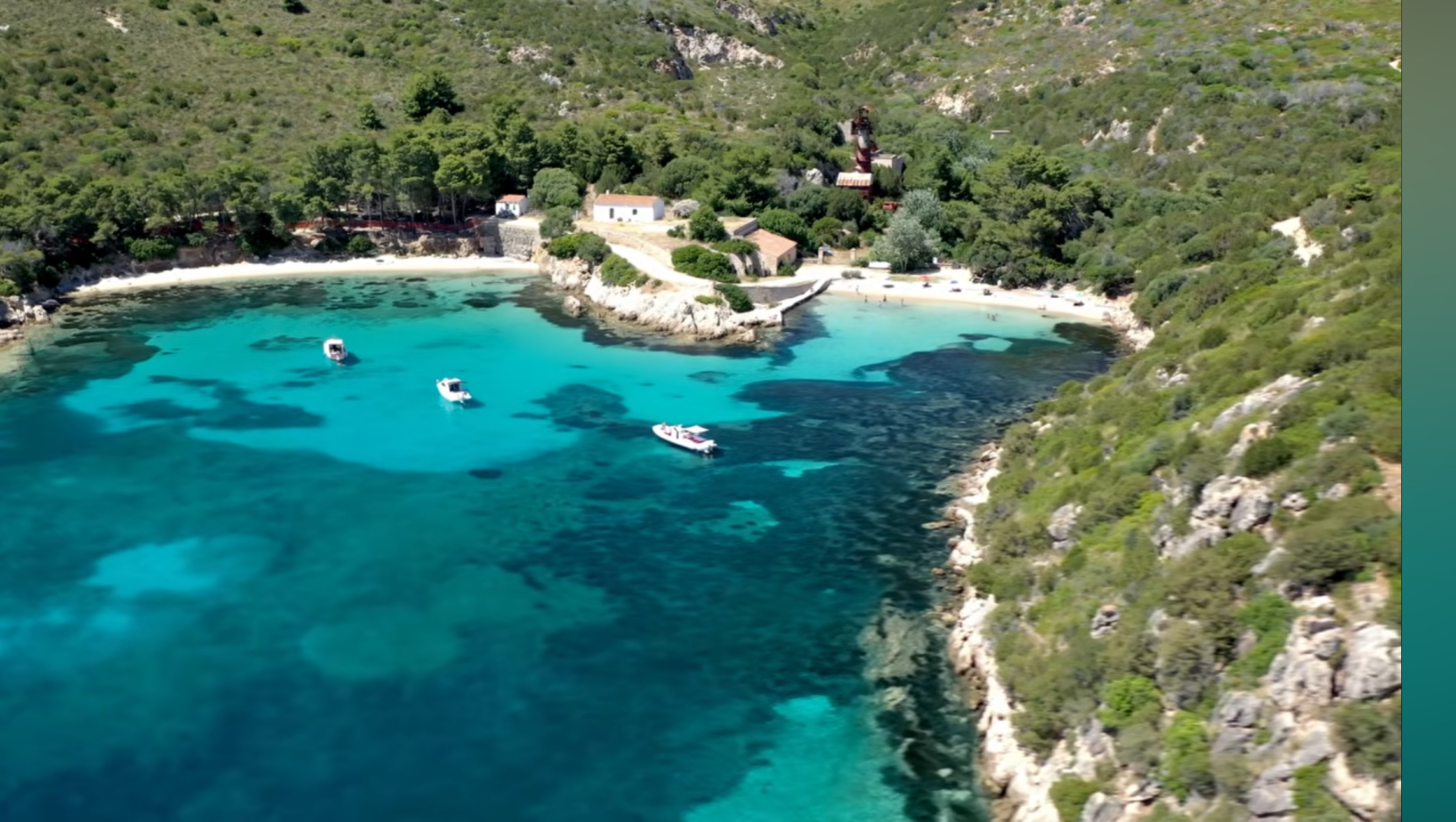
Behind Cala Moresca, the Capo Figari promontory rises to about 342 meters and is protected as a nature reserve, home to wild mouflon and peregrine falcons among other wildlife. At the summit stands a former naval semaphore station, opened in 1890 as part of the Regia Marina’s coastal lookout network — locally sometimes referred to loosely as “the old lighthouse,” though it functioned as a signal and observation post rather than a maritime light. On 11 August 1932, Guglielmo Marconi used the station to carry out a shortwave radio transmission experiment, connecting to the observatory at Rocca di Papa near Rome via the ship Elettra, which was anchored in the gulf below — a notable moment in the site’s history, without claiming it as any single definitive “first.”
Trail options and durations vary by route and starting point. A loop of around 8.3 kilometers taking roughly 2 hours 45 minutes is commonly cited for a circuit via Cala Moresca and the summit, while a longer route of about 12.7 kilometers to Punta Semaforo can take closer to 3 hours 45 minutes — treat these as approximate and route-specific rather than a single fixed time for “the hike.” The trail is well marked but steep and rocky in sections — sturdy footwear and at least two liters of water are worth planning for, especially in summer heat, and this isn’t a route to attempt in flip-flops or with young children who tire easily on uneven ground. As with any exposed coastal trail, conditions and any access restrictions can vary seasonally, so it’s worth checking locally before setting out in extreme heat or high winds.
Figarolo Island and Boat Excursions
Figarolo Island sits just offshore from Capo Figari — a small, steep, uninhabited limestone islet that can only be reached by boat. Several operators run boat excursions directly from Golfo Aranci’s harbor (and others from Olbia’s marina), typically combining a pass by Figarolo with stops at Cala Moresca and sometimes further afield toward the Tavolara–Molara Marine Protected Area. Trip lengths and prices vary considerably, from short RIB outings of an hour or two to full-day sailing or catamaran trips with swimming stops, so it’s worth comparing a few operators for what fits your day rather than assuming one standard format.
Compare Golfo Aranci Boat Trips and Experiences
If you’d like to explore Golfo Aranci from the water, compare available boat trips and guided experiences before choosing one. Check the departure point, duration, group size, swimming stops and what’s included, since itineraries around Figarolo, Cala Moresca and the surrounding coast vary by operator.
Affiliate disclosure: If you book through this link, SardiniaSardegna may earn a commission at no additional cost to you.
Dolphin Watching
Bottlenose dolphins are regularly observed in the waters around Golfo Aranci and Figarolo, and the area supports dolphin research and responsible-watching initiatives. Dedicated dolphin-watching excursions run from the harbor, often combined with a snorkeling stop near Figarolo or Cala Moresca. These are wild animals in open water, and sightings are never guaranteed on any given trip — treat dolphin watching as a genuine possibility rather than a certainty, and choose an excursion you’d enjoy anyway for the coastline and swimming stops even if the dolphins don’t show.
Compare Dolphin-Watching Trips
If dolphin watching is a priority, compare the different excursions available around Golfo Aranci rather than assuming every boat trip includes it. Look at departure times, trip length, group size, snorkeling stops and the rest of the itinerary so the excursion still appeals even if the dolphins aren’t visible that day.
Affiliate disclosure: If you book through this link, SardiniaSardegna may earn a commission at no additional cost to you.
Other Things to Do Nearby
Beyond the beaches and the Capo Figari trail, guided kayak tours run along the coastline toward Cala Moresca and Figarolo, offering a slower, sea-level way to take in the cliffs and coastline — dolphin sightings from a kayak are possible but unpredictable, and shouldn’t be the reason to book one. Local diving centers run guided visits to the MuMart underwater sculptures and to a wreck near Figarolo Island for more experienced divers. Inland, shorter walking options include the Monte Ruju trail and a loop around Cala Sabina, both less demanding than the full Capo Figari route.
Where to Stay
Accommodation in Golfo Aranci ranges from simple apartments to beachfront resort hotels, generally at a lower price point than equivalent stays in Porto Cervo. Staying in the town center puts you within walking distance of the five town beaches, the promenade, and the harbor where boat excursions depart — a sensible choice for travelers without a car. Baia Caddinas, just outside the center, is a common choice for those wanting a quieter, more resort-style base with the beach directly in front, though it’s a short drive or a longer walk from the town’s restaurants and shops.
Restaurants and Local Food
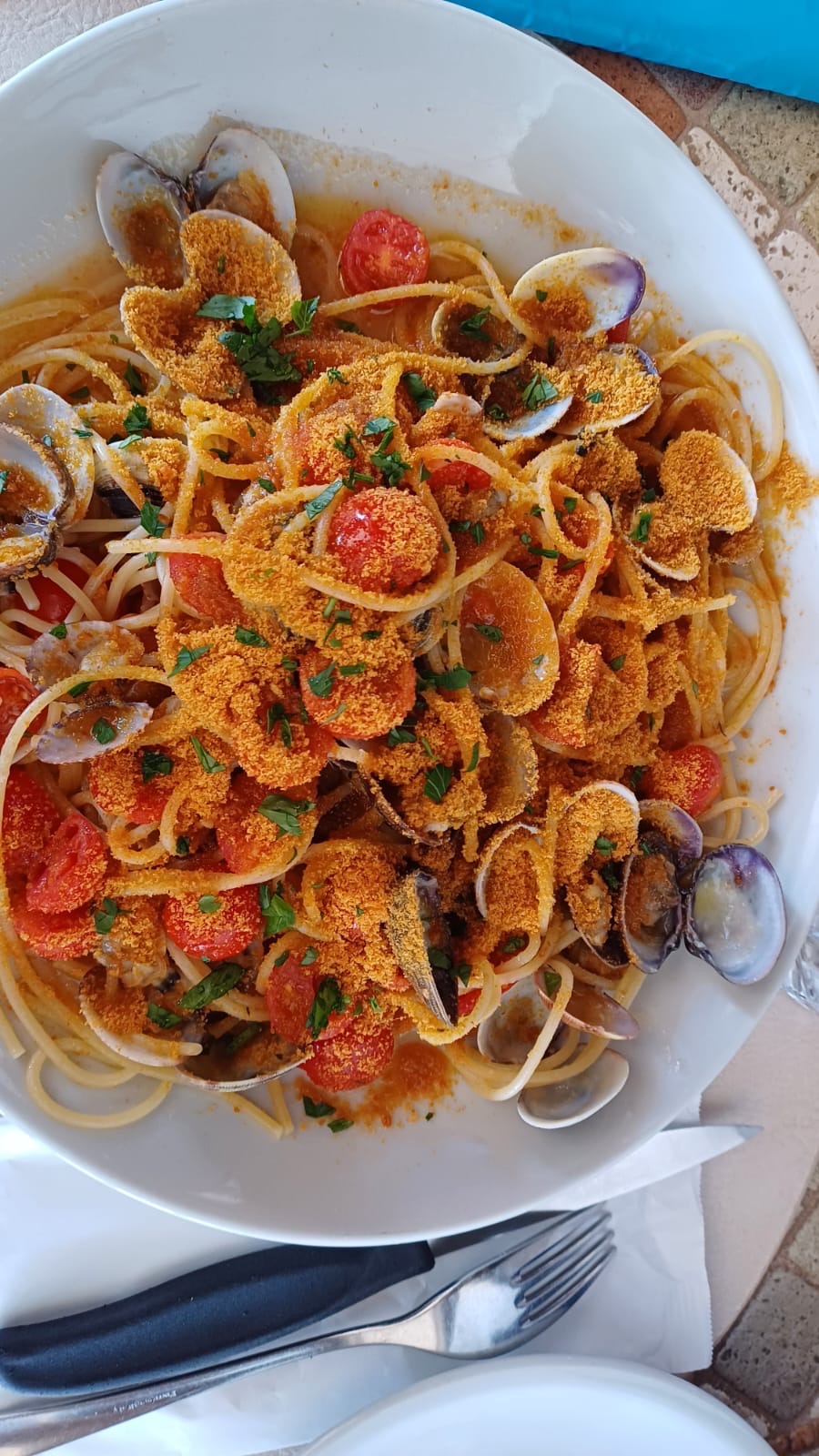
Given its fishing heritage, seafood is the natural strength of Golfo Aranci’s kitchens — expect fresh catch–focused menus at the harbor-facing restaurants in particular. Rather than naming specific businesses that can change year to year, the more useful guidance is this: the restaurants directly on the waterfront tend to be more tourist-oriented and priced accordingly, while a short walk into the town’s back streets generally turns up simpler, better-value options favored by locals. Small shops around the center also sell local products — wine, cheese, and coral souvenirs — worth a browse on an evening stroll.
Getting There from Olbia Airport
Golfo Aranci is roughly 18–23 kilometers from Olbia Airport, a drive that typically runs 20–25 minutes but can take noticeably longer in peak summer traffic. Taxi prices vary by time of day and demand — confirm the fare with the driver or pre-book for predictability rather than assuming a fixed rate. Without a car, the practical route uses Olbia Airlink, Trenitalia’s dedicated bus service connecting the airport directly to Olbia Terranova station in under 20 minutes, ticketed alongside the train; from Terranova, you continue onward to Golfo Aranci by train.
Train, Bus, Taxi and Rental Car
From June 1 through September 30, Trenitalia runs a strengthened summer service on the Olbia–Golfo Aranci line, with 18 daily connections — a significant step up from off-season frequency. During this window, trains also make a seasonal stop at Cala Sabina, giving direct rail access to that beach. Outside the June–September period, service is considerably more limited, so check the current Trenitalia timetable before planning a trip around a specific departure, especially for a return in the evening. ARST buses also serve the Olbia–Golfo Aranci corridor, though journey times should be confirmed against the current timetable rather than assumed. A rental car or taxi remains the most flexible option, especially for reaching Cala Moresca’s trailhead or the beaches spread along the coast outside the town center.
Do You Need a Car?
Not necessarily, if your plans center on the town itself. The five town beaches, the promenade, MuMart, and the harbor where boat excursions depart are all walkable from most in-town accommodation, and the summer train service to Cala Sabina and Olbia covers day trips or arrivals without a rental. A car — or at minimum a taxi or bike rental — becomes genuinely useful once you want to reach Cala Moresca, the Capo Figari trailhead, Baia Caddinas, or Spiaggia Bianca, none of which are realistically walkable from the center with beach gear in tow.
Parking and Summer Access
Designated parking areas serve both the town beaches and the Cala Moresca trailhead. Direct vehicle access to Cala Moresca’s cove is not permitted — cars stop at the designated lot, and the final approach is on foot. In peak summer months, arrive early: trailhead parking for Cala Moresca fills by mid-morning, and town-beach parking can be tight on the busiest August days. Fees, hours, and availability can change season to season, so treat any specific figure as a starting expectation rather than a fixed rule, and confirm current signage on arrival.
Best Time to Visit
July and August bring the warmest water and the biggest crowds, particularly to the free, easily accessible town beaches and to Cala Moresca once word gets around each morning. June and September are generally the more reliable shoulder-season months, with sea temperatures comfortable for swimming and noticeably less competition for parking and beach space. Late May and early October are more variable — the water can still feel cool early in the season, so don’t count on comfortable swimming throughout May specifically. Some boat excursions, dive centers, and seasonal beach services scale back or pause outside the summer months, so if a specific activity is central to your trip, confirm it’s running before you build a shoulder-season visit around it.
How Many Nights to Stay
Golfo Aranci is a small town, and most of what it offers — the town beaches, MuMart, Cala Moresca, and a Capo Figari hike — can be covered comfortably in two to three days. That’s enough time for a beach day in town, a half-day at Cala Moresca, and either the Capo Figari hike or a boat excursion to Figarolo, without feeling rushed. Longer stays work well for travelers who specifically want a slower, quieter base for the whole trip rather than a single stop on a wider itinerary.
Add a Sunset Sail to an Overnight Stay
If you’re staying overnight in Golfo Aranci, an evening sailing excursion can fit naturally after a beach or hiking day. This sunset sailboat experience combines time on the water with an aperitif and the possibility of seeing dolphins around Golfo Aranci. As with any wildlife experience, dolphin sightings can’t be guaranteed, so check the current itinerary, inclusions and cancellation terms before booking.
Affiliate disclosure: If you book through this link, SardiniaSardegna may earn a commission at no additional cost to you.
Day Trip or Overnight Base?
Both work, and the right choice depends on what you’re prioritizing. As a day trip from Olbia, Costa Smeralda, or San Teodoro, Golfo Aranci delivers a genuinely good beach day plus MuMart or a short hike in a single visit, and its short driving distance from all three makes that easy. As an overnight base, it offers a quieter, more residential alternative to staying directly in Porto Cervo or San Teodoro, while remaining close enough to both — and to the airport — that you’re not trading away convenience for quiet.
Who Should Choose Golfo Aranci
Golfo Aranci suits travelers who want walkable town beaches, a coastal walk, a more demanding summit hike or a boat trip, and a genuine small-town feel, without needing to be at the center of the action every evening. It’s a strong fit for couples wanting a calmer base near the Costa Smeralda, families who value beaches within walking distance of accommodation, and travelers arriving or departing via Olbia Airport who’d rather minimize driving. Those prioritizing nightlife, a wide choice of restaurants, or marina-front glamour are generally better served by Porto Cervo, while travelers wanting a bigger, livelier resort town with a well-known long beach may prefer San Teodoro. Olbia itself remains the more practical, transport-focused choice for those who simply need a base near the airport without much emphasis on the beach experience.
Suggested One-Day Plan
- Morning: swim at one of the town beaches, or arrange a guided visit toward MuMart’s underwater sculptures
- Midday: walk the promenade and have lunch near the harbor
- Afternoon: drive or taxi to Cala Moresca for a swim, or take the shorter portion of the Capo Figari trail for the viewpoint
- Evening: an early dinner back in town before the drive back to your base
Suggested Two-Day Plan
- Day 1 morning: swim at one of the town beaches and explore the waterfront promenade
- Day 1 afternoon: visit Cala Moresca, allowing time for the walk, swimming and snorkeling
- Day 1 evening: return to Golfo Aranci for dinner and an overnight stay
- Day 2: choose one major activity — tackle the full Capo Figari hike early in the morning, or take a boat excursion toward Figarolo Island with a chance of dolphin sightings and snorkeling stops
- Lower-effort alternative: spend the second day at Baia Caddinas or another nearby beach
Planning the Rest of Your Northeast Sardinia Trip
Golfo Aranci fits naturally alongside the rest of the Costa Smeralda & Northeast cluster. For the region’s best-known coves, see our guide to the best beaches of Costa Smeralda; for marina glamour and a livelier evening scene, read the Porto Cervo guide; for a full-day excursion to the archipelago, see our La Maddalena Archipelago guide; and for a bigger resort town with one of Sardinia’s best-known long beaches, our San Teodoro guide covers what to expect. If you’re planning several days across the region, our five-day Northeast Sardinia itinerary lays out how to combine these places without unnecessary backtracking.