
Alghero’s coastline runs from the palm-lined city beach right into the Porto Conte regional park, and the six beaches below cover most of what a visitor driving, cycling, or riding the bus out of town will actually reach in a day. Some are a walk from your hotel; others need a car, a bike, or a bit of patience with the local bus timetable. This guide sticks to what’s confirmed by official tourism and municipal sources — sand and setting, road and transport access, parking as it’s currently arranged, and accessibility — so you can plan without guesswork.
Quick Answer: Which Beach Should You Choose?
- Staying in central Alghero without a car: Lido di San Giovanni, or Maria Pia by bike.
- Want a bus that actually stops at the beach: Lazzaretto or Mugoni, both on the current Line 5 route — check the timetable before you go.
- Driving and want a sandy cove framed by rock and woodland: Le Bombarde.
- Want a beach within the sheltered geography of Porto Conte bay: Mugoni, inside Porto Conte.
- Want a more exposed setting associated with wind and waves: Porto Ferro — but it’s in Sassari’s territory, not Alghero’s.
At a Glance
| Beach | Setting | Without a car | Facilities | Accessibility info | Main consideration |
|---|---|---|---|---|---|
| Lido di San Giovanni | Urban city beach | Walk from center | Bars, rentals, hotels nearby | Listed by official page | Urban setting beside the town |
| Maria Pia | Dunes & pine forest | Bike path from center | Pineta shade, refreshment point | Improvements announced, not confirmed complete | Protected dune system |
| Le Bombarde | Sandy cove, park woodland | Not confirmed by transit | Beach clubs, hotel, bar (seasonal) | No official info located | Water deepens quickly near shore |
| Lazzaretto | Cove near park edge | Line 5 bus stop confirmed | Rentals, restaurant, toilets (seasonal) | Listed by official page | Rocky at the eastern end |
| Mugoni | Sheltered bay in the park | Line 5 bus stop confirmed | Beach clubs, dive center (seasonal) | Listed by official page | Sheltered, not guaranteed calm |
| Porto Ferro | Open bay, Comune di Sassari | Not confirmed by transit | Parking, food points (official) | No official info located | Wind, waves, and a naturist section |
Lido di San Giovanni
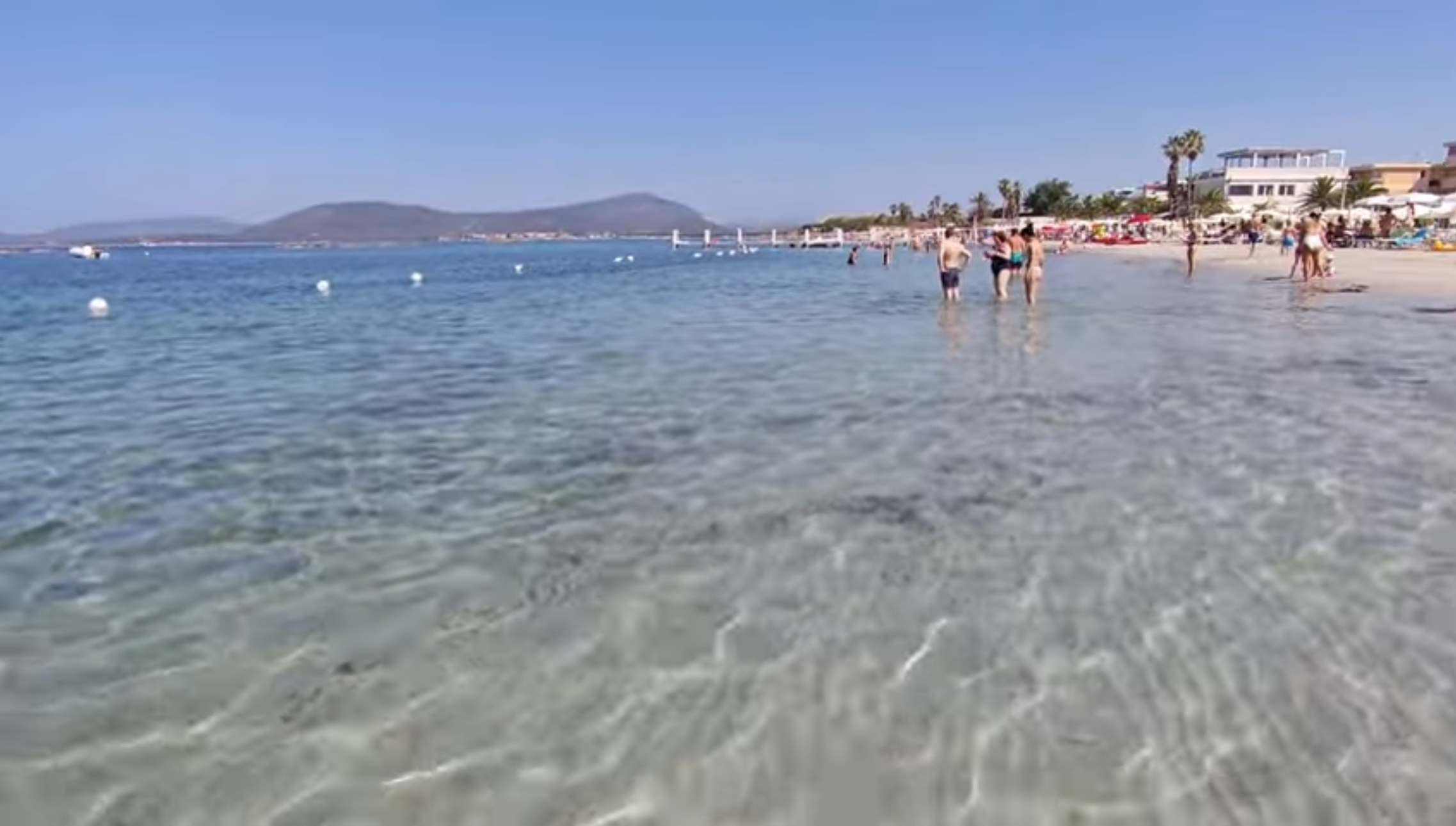
This is Alghero’s own beach, running along the seafront promenade between the tourist port and the town’s northern edge. It’s the easiest of the six to reach: no car, no bus timetable, just a walk from the historic center along Passeggiata Busquet. The sand is soft and pale, and the water shelves gently.
Because it sits directly beside the town, it has a more urban setting than the beaches farther along the coast. Visitor levels vary by date and time of day. Bars, umbrella and sunbed rental, and hotels are all within a short walk. The official tourism page lists the beach as accessible, though it’s worth confirming which specific stretch and which season before assuming step-free access along the entire length.
Maria Pia
Maria Pia is the natural continuation of the Lido, just north along the coast, backed by a dune system and a shaded pine forest. It connects naturally with the urban shoreline and can be reached by bicycle using the coastal cycle route from central Alghero, which makes it a good pick if you’d rather pedal than drive.
The dunes here are protected. Municipal signage prohibits crossing, trampling, or stopping on them, so stick to the designated access points rather than cutting a path through the vegetation. Accessibility improvements have been announced for this stretch, but completion isn’t confirmed — if step-free access matters to you, check current conditions before you go rather than assuming the work is finished.
Parking near Maria Pia is seasonal and paid in summer, with a separate free allowance for Alghero residents. Arrangements and charges can change from year to year, so check the signage on-site rather than relying on a fixed price.
Le Bombarde
Le Bombarde is a sandy cove framed by volcanic rock and backed by woodland, about ten kilometers north of the center, inside the Porto Conte park. The seabed here becomes deeper relatively close to shore, so it’s worth keeping that in mind if you’re wading in with children.
The official tourism page lists beach clubs, a hotel, a campsite, a bar and a restaurant at the northern end, but these are individual concessions and their operating periods may be seasonal — don’t assume everything is open outside peak summer. No named bus stop for Le Bombarde was found on the current Line 5 timetable, so don’t plan on the bus dropping you directly at this beach. Private transportation provides the clearest access arrangement based on the current information available. Cycling access to Le Bombarde was not independently confirmed. No official accessibility information was located for Le Bombarde.
Lazzaretto
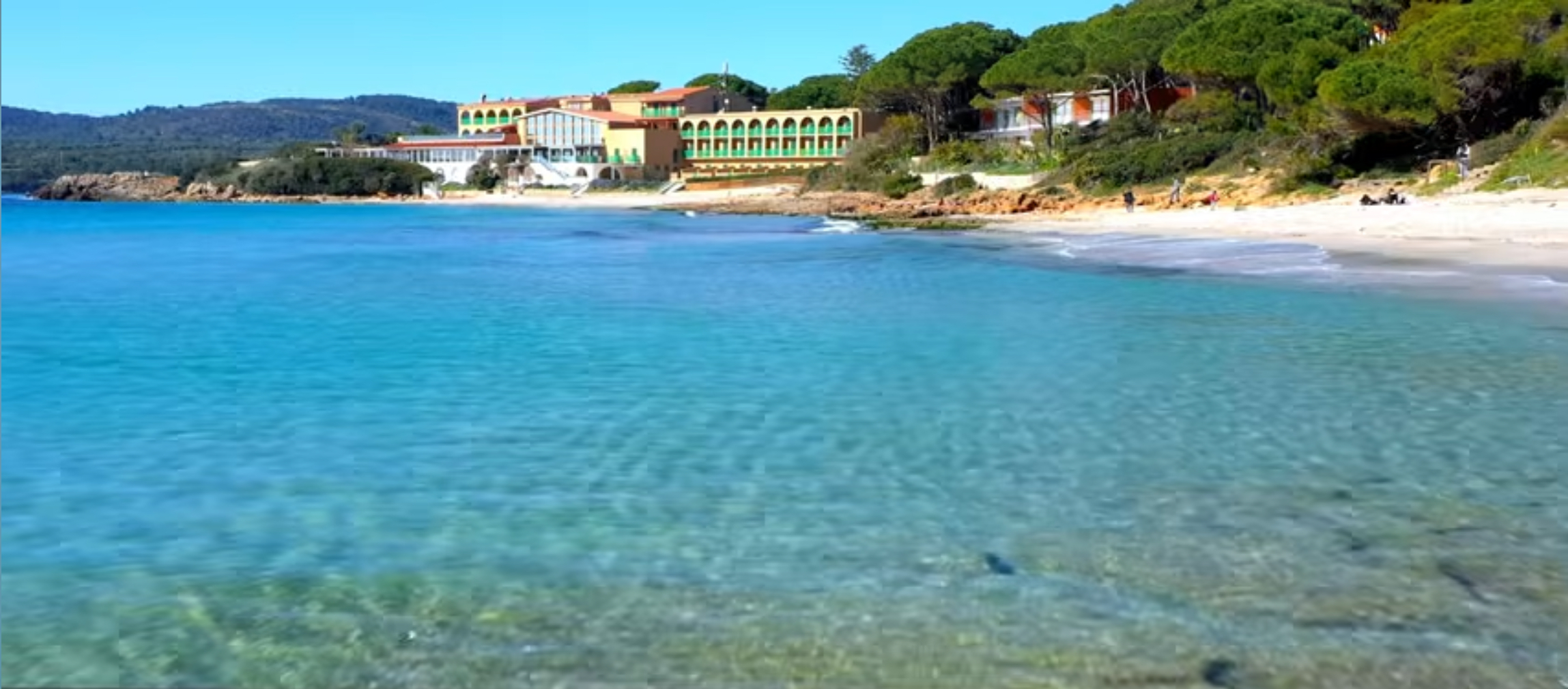
Lazzaretto sits between Fertilia and the edge of the Porto Conte park, its main stretch of sand rocky to the east and mixed with pebble to the west, with a scatter of smaller coves nearby reached on foot through the scrub. It’s one of two beaches in this guide with a confirmed stop on the current ARST Line 5 route, named directly “Lazzaretto Spiaggia” — a genuine public-transport option, though you should check the current timetable and plan your return trip rather than assuming frequent departures.
The official tourism page lists it as accessible, along with parking, a motorhome area, food points, rentals, a restaurant, toilets, and camping — again, treat these as seasonal concessions rather than year-round guarantees.
Mugoni
Mugoni sits inside the Porto Conte bay, sixteen kilometers from Alghero, and its position — tucked well inside the bay rather than facing the open sea — is what gives it a reputation as the more sheltered of the six. That’s a description of the geography, not a promise about conditions on the day you visit; check the sea before swimming, as you would anywhere.
Like Lazzaretto, Mugoni has a confirmed current stop on Line 5, named simply “Mugoni” — plan around the current timetable rather than assuming a frequent service. The official tourism page lists it as accessible, and beach clubs, boat rental, a dive center, bars and restaurants are all listed as well, subject to the same seasonal caveat as elsewhere on this list.
See the Alghero Coast from the Water
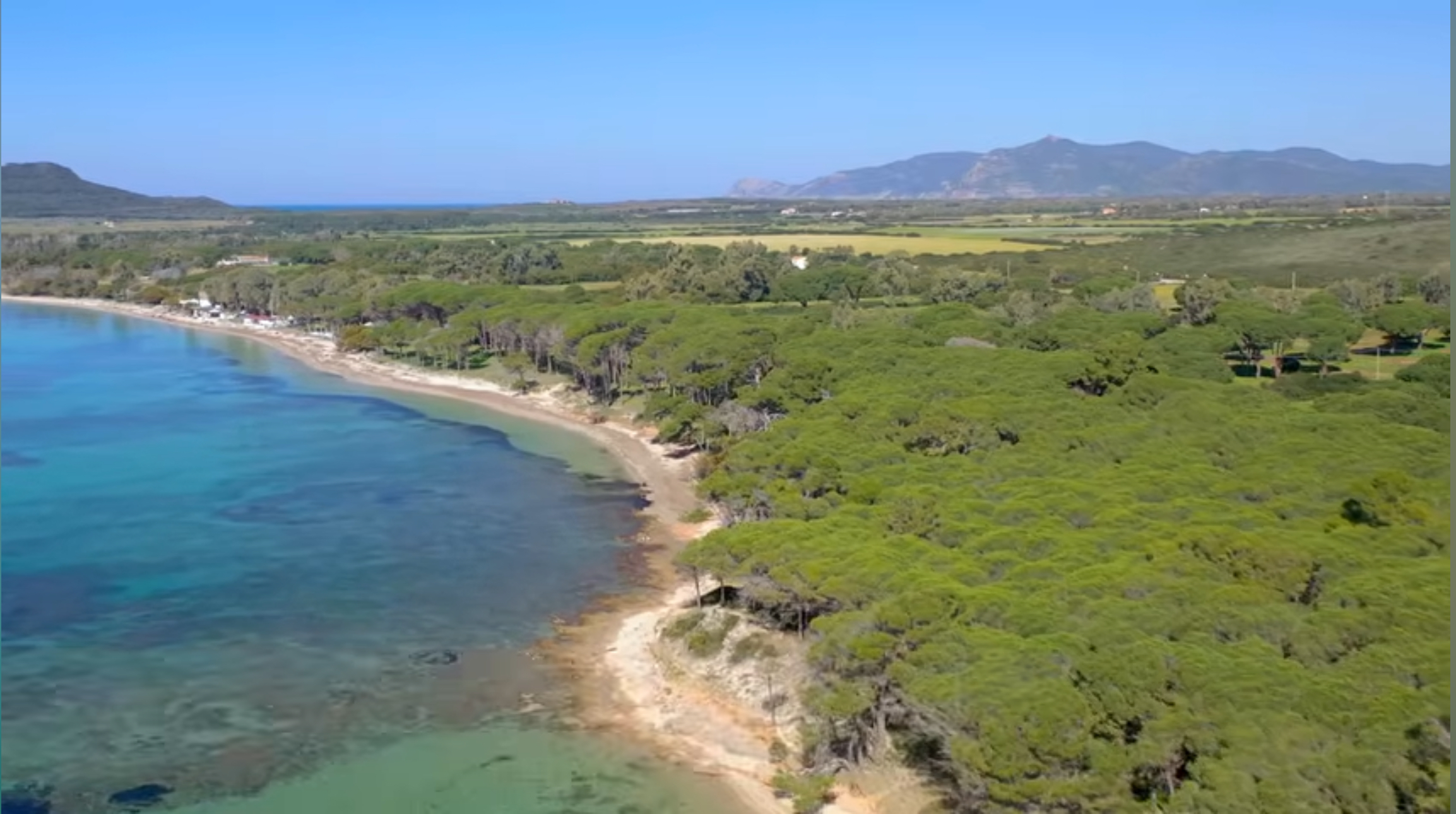
For a different view of this coastline, this full-day sailing experience from Alghero heads toward Capo Caccia and includes coastal stops along the way. The itinerary can include areas around Punta Giglio and Cala Dragunara and passes the coastline near Lazzaretto and Le Bombarde. Check the current itinerary, inclusions and conditions before booking.
Affiliate disclosure: If you book through this link, SardiniaSardegna may earn a commission at no additional cost to you.
Porto Ferro
Porto Ferro is worth including, but it needs a clear caveat: it belongs to the municipality of Sassari, not Alghero, even though it’s commonly grouped with Alghero’s coastline in casual conversation. It’s a genuinely different kind of beach from the other five — a long, open bay more exposed to wind and waves, and the official tourism source associates it with surfing and windsurfing.
Porto Ferro received Blue Flag recognition for the 2026 season, a status that’s reassessed annually rather than permanent. One stretch of the beach, between two of its historic watchtowers, is an officially designated naturist section — worth knowing before you set up your towel, so you can follow the current signage and stay within the marked boundaries if that’s not what you’re after, or head straight there if it is. No official accessibility information was located for Porto Ferro, and parking is confirmed but unpriced in the official source, so check on-site conditions.
Best Choice Without a Car
If you don’t have a car, your realistic options are Lido di San Giovanni (walk from the center), Maria Pia (bike path from the center), and Lazzaretto or Mugoni (confirmed stops on the current Line 5 bus route). Direct public-transport access to Le Bombarde and Porto Ferro was not established in the current research, so confirm transportation before choosing either without a car.
Explore Alghero’s Beaches by E-Bike
If you’re staying in Alghero without a car but want to explore farther along the coast, this guided e-bike experience offers another option. The tour heads beyond the town toward smaller beaches, coastal trails and the Porto Conte area, with an aperitif featuring local products included. Check the current route and participation requirements before booking.
Affiliate disclosure: If you book through this link, SardiniaSardegna may earn a commission at no additional cost to you.
Parking and Seasonal Services
Services listed by official tourism pages — including rentals, restaurants and beach clubs — may be operated seasonally and should not be assumed available throughout the year. Not every business near every beach is a beach concession. Parking follows the same pattern: Maria Pia has seasonal paid parking arrangements, while Mugoni has seasonal parking arrangements whose current charges were not confirmed, alongside separate discounted or free options for local residents. Rather than relying on a published price, check the signage at the parking area when you arrive.
Accessibility
- Lido di San Giovanni, Lazzaretto, and Mugoni: access is listed by an official tourism page.
- Maria Pia: improvements have been announced, but completion is not confirmed.
- Le Bombarde and Porto Ferro: no official accessibility information was located.
An “accessible” listing shouldn’t be read as a guarantee that every part of a beach, or every service on it, is step-free. If you have specific access requirements, confirm current arrangements directly before you travel.
Wind, Waves, and Changing Swimming Conditions
Conditions vary by beach and by day. Mugoni’s position inside Porto Conte bay makes it more sheltered by geography, and Porto Ferro’s open exposure makes it more prone to wind and waves — but neither of those facts is a promise about what you’ll find when you arrive. Lifeguard coverage was not confirmed for this guide and may vary by beach and season. Check current signage and on-site staffing rather than assuming coverage is available. Check the sea conditions, any warning flags, and posted instructions on-site before swimming, and don’t assume any beach here is calm, safe, quiet, or suitable for every child just because it’s popular or sheltered on paper.
Dolphin Watching and Snorkeling from Alghero
If you’d like to spend part of your trip on the water rather than choosing another beach day, this Alghero excursion combines dolphin watching with guided snorkeling in the Capo Caccia–Isola Piana marine area. Dolphins are wild animals, so sightings should never be treated as guaranteed. Check the current schedule, snorkeling requirements and conditions before booking.
Affiliate disclosure: If you book through this link, SardiniaSardegna may earn a commission at no additional cost to you.
Responsible Beach Behavior
Several of these beaches sit inside or beside the Porto Conte regional park, and Maria Pia’s dune system is under direct municipal protection. Stay off dune vegetation, use marked access paths rather than cutting your own, and pack out what you bring in. If you’re near Porto Ferro’s naturist section, respect the marked boundaries whether or not you’re taking part.
Final Shortlist by Traveler Type
- First-time visitors staying in town: Lido di San Giovanni, then Maria Pia by bike.
- Travelers without a car who still want to leave town: Lazzaretto or Mugoni, timed against the current Line 5 schedule.
- Photographers and classic-view seekers: Le Bombarde.
- Anyone drawn to a more sheltered bay setting: Mugoni.
- Windsurfers, surfers, and those seeking open space or the naturist section: Porto Ferro, remembering it’s a Sassari beach.
For more on the town itself, see the Alghero guide, the roundup of best things to do in Alghero, and where to stay in Alghero. If you’re heading toward Capo Caccia, the Neptune’s Grotto guide pairs well with a Mugoni or Lazzaretto day. And for the wider region, start with Alghero & Northwest.